NEWS
ContactIn the post-surgery recovery stage of medical beauty, why is it recommended to pay attention to fragrances and preservatives in skincare products?
-
 admin
admin
- 14 7 月 2026
After undergoing aesthetic medical procedures such as photon therapy, matrix RF, hydra-facial, and minimally invasive treatments, the skin’s barrier will be temporarily compromised, exposing the epidermal nerves and making the skin highly sensitive and fragile. If normal daily skincare products are used, it can easily lead to burning sensations, redness, and dryness, prolonging the recovery period of the skin.
This article explains the need to avoid fragrances and ordinary preservatives in post-operative care based on skin condition and the principles of ingredient stimulation.
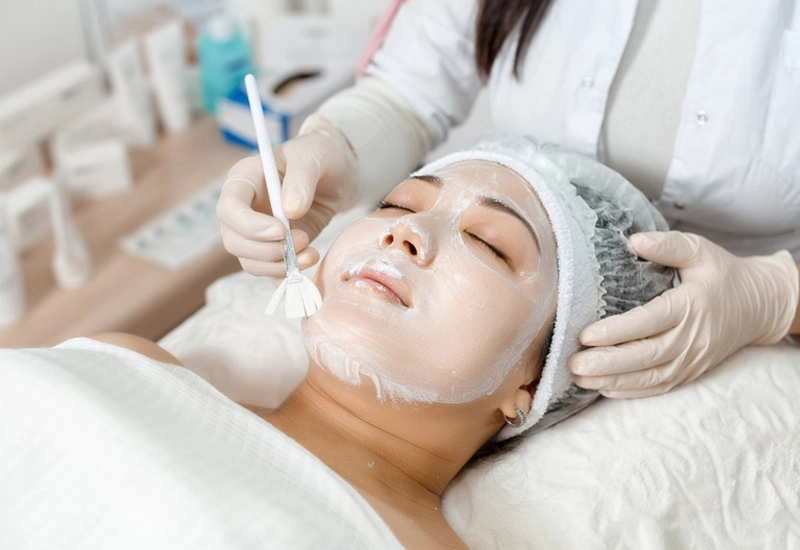
The differences between post-aesthetic medical skin and healthy skin are significant.
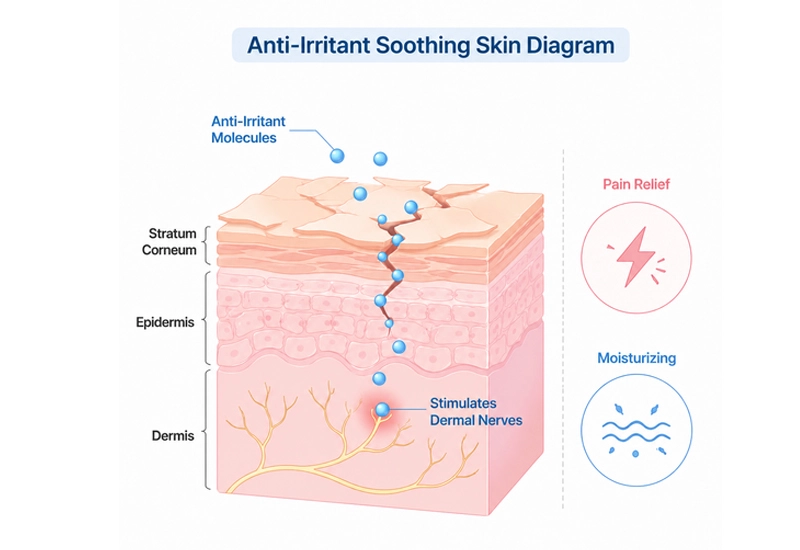
Healthy skin possesses a complete barrier formed by keratinocytes, intercellular lipids, and the sebum film, which can block most small irritating molecules from penetrating the dermis.
However, aesthetic medical procedures such as phototherapy, microneedling, and chemical peels can damage the structure of the stratum corneum:
– Keratinocytes become loose, and intercellular gaps widen;
– The surface sebum film is damaged, reducing moisture retention;
– Superficial nerves in the dermis become more susceptible to stimulation;
– The activity of skin inflammatory cells increases, leading to discomfort from minor external irritations.
In simple terms, post-operative skin lacks a protective buffering layer, making it easy for external substances to reach the dermis directly, significantly increasing the risk of irritation.
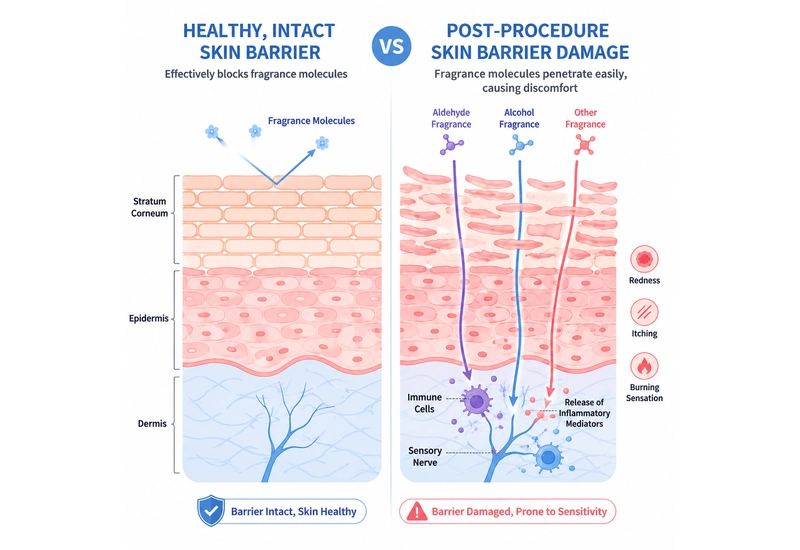
Comparison of healthy barrier and the damaged barrier structure after aesthetic procedures.
Fragrance is a major potential irritant for post-operative skin.
1. Irritation Mechanism
Fragrances in skincare products are divided into synthetic fragrances and essential oils. Among them, aldehydes and phenolic compounds have small molecular sizes and strong permeability. Healthy skin barriers can block most fragrances, with only a few sensitive skin types experiencing discomfort; however, damaged skin cannot block fragrances, which can penetrate directly through the stratum corneum, prompting immune cells to release inflammatory mediators, exacerbating redness, warmth, and itching. Clinically, the probability of fragrance-induced contact dermatitis significantly increases when the barrier is damaged.
2. Components to Avoid
Ingredients labeled as “fragrance” or “aroma,” or various plant essential oils such as rose and citrus, are considered fragrance additives. Even if labeled as naturally extracted, there is still a risk of irritation during the post-operative healing phase, so it is advisable to avoid them as much as possible.
3. Adverse Effects
Short-term use can easily lead to stinging and facial redness and burning; prolonged exposure to irritation can delay skin healing and also increase the likelihood of post-inflammatory hyperpigmentation.
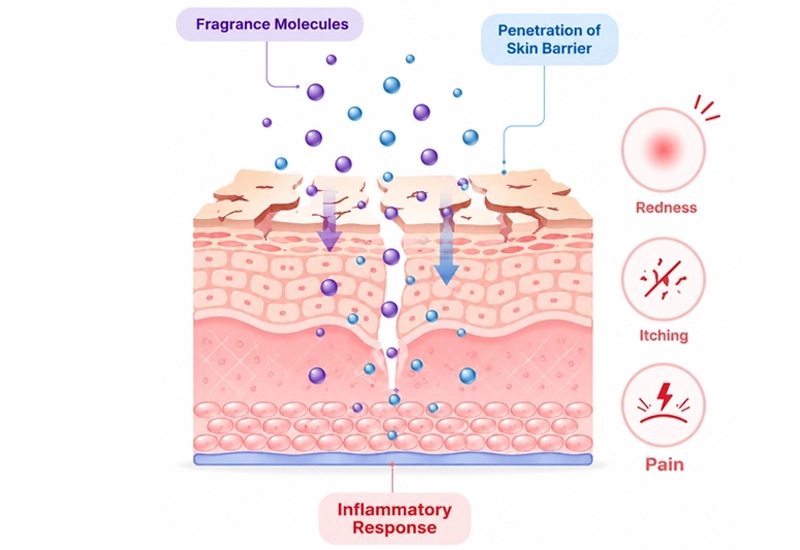
Illustration of fragrance irritation on skin.
The compliance of preservatives does not mean they are suitable for damaged wounds; scenarios must be differentiated.
1. Normal function of preservatives
Preservatives that comply with national cosmetics safety regulations have lower irritation under normal use on healthy skin and compliant concentrations. Their main role is to inhibit microorganisms within the bottle, ensuring that skincare products do not spoil easily after opening.
2. Reasons for caution with damaged skin post-surgery
First, nerve stimulation: Most low-molecular-weight preservatives can penetrate damaged keratin and contact dermal nerves, causing stinging and itching, which hinders the self-repair of keratinocytes.
Second, risk of wound infection: Microneedling and broken skin procedures can create tiny wounds. Ordinary cosmetics typically come in re-openable packaging; preservatives can only inhibit bacteria inside the bottle, unable to isolate external pathogens introduced during use, which can worsen wound discomfort.
Third, delayed self-healing: Skin repair requires a gentle and stable environment. Prolonged exposure to preservatives can lead to low-grade inflammation, slowing down keratin regeneration and extending the recovery time for dryness and redness.
3. Advantages of medical dressings with preservatives
Registered Class II medical repair dressings use independent disposable sterile packaging, produced to high cleanliness standards. They can be used once without the addition of traditional preservatives, minimizing microbial irritation and making them suitable for short-term wound care.
Possible skin discomforts:
– Immediate reactions: persistent stinging, facial warmth, widespread redness;
– Short-term symptoms: recurrent dryness and itching, peeling, tightness that is hard to relieve;
– Recovery period issues: slow resolution of inflammation, dull skin tone, increased risk of pigmentation;
– Skin lesions: redness and swelling at the site of micro-injury, intensified discomfort.
If any of the above occur, discontinue use of the product immediately, reduce external irritants, and consult a dermatologist promptly.
Three Key Selection Criteria for Postoperative Repair Products
1. Simplified Formulation with Minimal Additives
Prioritize products that focus on core ingredients for repair and hydration, avoiding irrelevant additives such as fragrances and colorants to reduce the burden on the skin.
2. Differentiate Cosmetic Products from Medical Dressings Based on Wound Type
For intact skin with no damage: compliant cosmetic skincare products can be used normally.
After procedures involving light therapy, microneedling, or skin tearing (where wounds and barrier damage are present): follow the doctor’s advice to use Class II medical dressings. The sterilization standards for cosmetic products are lower than those for medical devices and are not recommended for fresh wounds.
3. Prefer Individually Sterile Packaging
Large-capacity bottles that are repeatedly opened can breed bacteria despite the presence of preservatives; individually sealed sterile packaging is more suitable for fragile post-surgical skin.
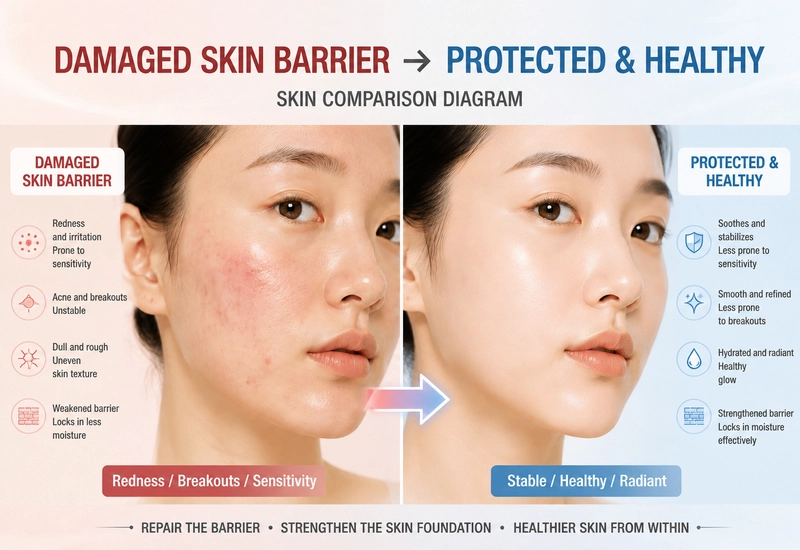
Under a complete skin barrier, the fragrances and preservatives in regular skincare products typically do not cause significant irritation. However, skin that has undergone cosmetic procedures often has open wounds and compromised stratum corneum, greatly reducing its protective ability: fragrances can easily trigger allergic inflammation, and ordinary preservatives may continuously irritate the wound and interfere with skin self-healing.
The core of postoperative repair is to create a low-irritation, clean, and gentle repair environment for the skin, minimizing interference from excessive additives to allow normal repair and regeneration of the stratum corneum and dermal tissue.
*Note: This article is for educational purposes regarding skincare ingredients and does not substitute for professional medical advice. Please follow the guidance of the operating physician for specific postoperative care; read the product instructions for medical dressings or purchase and use them under medical supervision.
Prev Post: No previous post
Next Post: From Wound to Scar: What Factors Are at Play in the Skin Healing Process?

Your Trusted Partner in Advanced Skincare Solutions
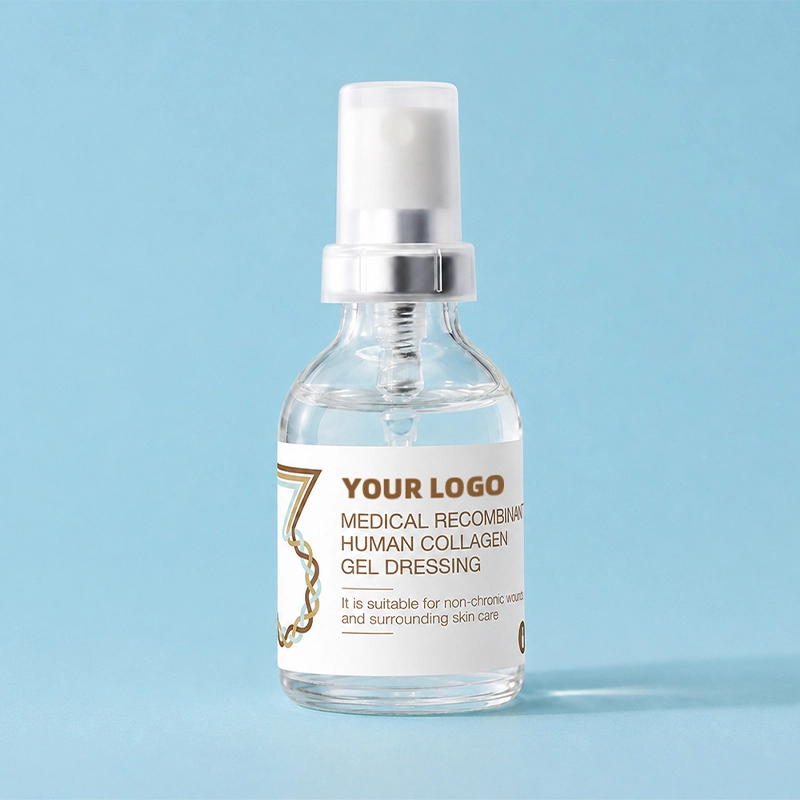
Recombinant Human Type III Collagen establishes a protective barrier to support physical restoration without causing cutaneous irritation. Free from corticosteroids and synthetic pharmaceuticals, it is especially suitable for special populations, including pregnant women and infants with dermatitis or eczema.
By forming a protective film over damaged areas, it isolates external bacteria, prevents moisture loss, and creates a moist healing environment for the wound surface. This helps stabilize the skin’s condition effectively. Featuring macromolecular weight collagen, it delivers excellent film-forming properties.
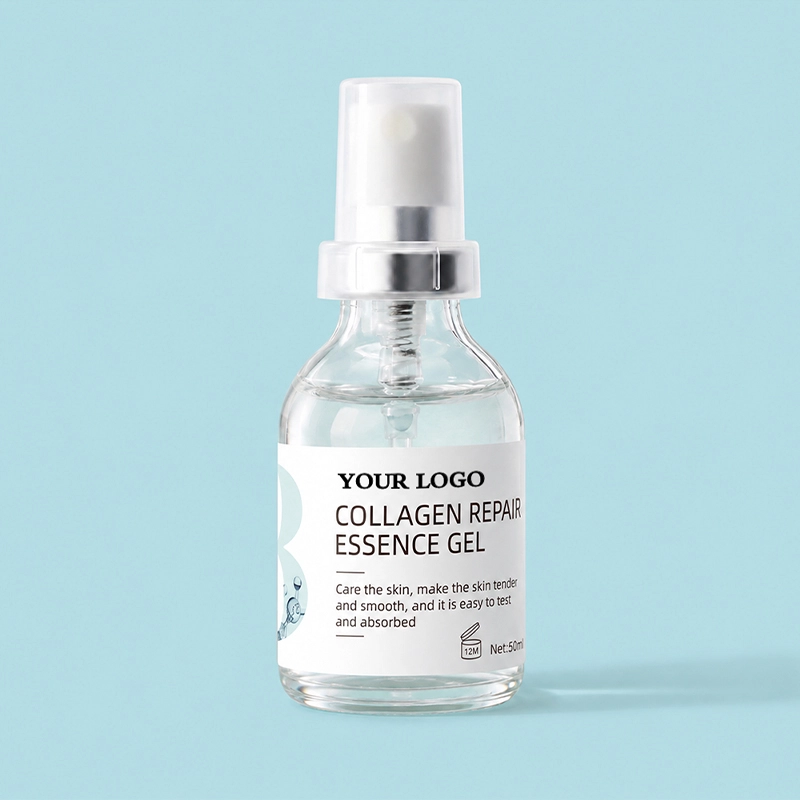
This lightweight collagen repair gel serum is designed to support skin recovery while delivering long-lasting hydration and barrier protection. Powered by recombinant human type III collagen, it helps soothe visible redness, dryness, tightness, and post-treatment discomfort while reinforcing the skin's natural barrier function.
The fast-absorbing gel texture provides an immediate burst of hydration without leaving a sticky or heavy residue. At the same time, it forms a breathable moisture-retention layer on the skin surface to help lock in hydration and support overall skin resilience, leaving the skin feeling calm, comfortable, and visibly healthier.
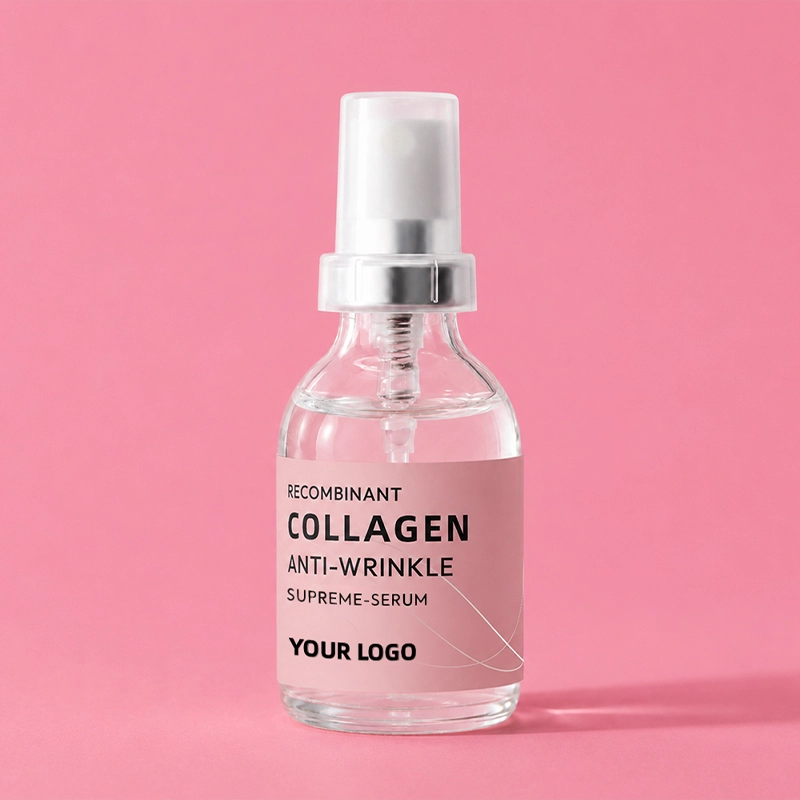
The luxurious Collagen Anti - Wrinkle Supreme+ serum, derived from precious skin essence, revitalizes skin's radiance. As we age, skin loses nutrients and collagen, becoming dry with fine lines and losing elasticity. This serum, when gently applied, deeply hydrates and offers rich nourishment. It directly replenishes collagen to boost elasticity and reduce fine lines. Ingredients like sodium hyaluronate, trehalose, and xanthan gum hydrate and reduce fine lines. Day by day, skin becomes fuller, firmer, and glows with youth.
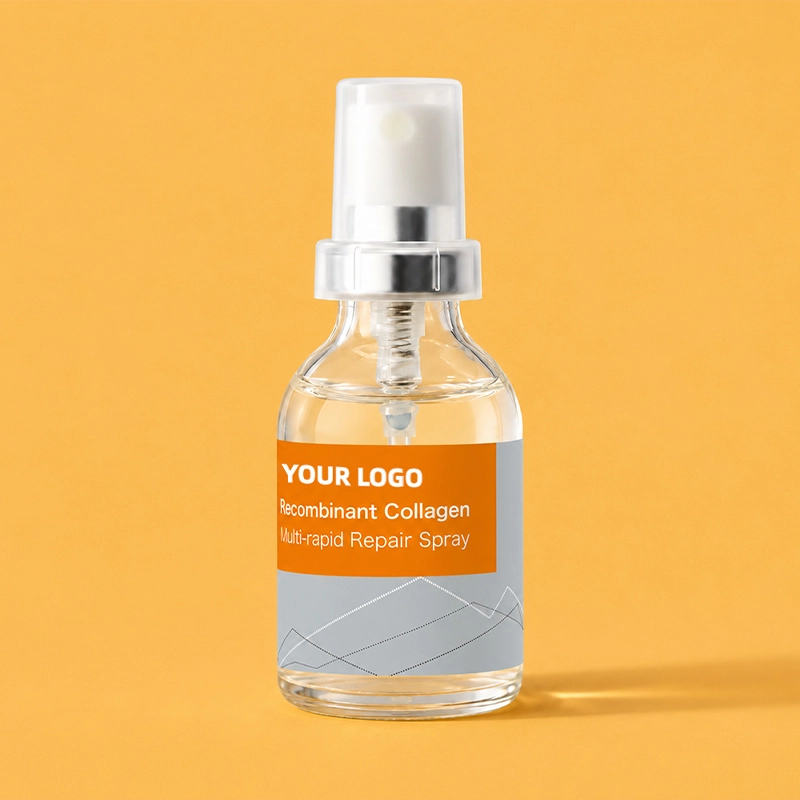
D-Nutrimec collagen Multi-recovery Serum are clinically proven to repair Skin barrier and improve the appearance of wrinkles, discolouration, firmness, and more. These concentrated anti-wrinkle serum options are designed to help prevent and correct signs of ageing.
Developed through genetic engineering and synthetic biology innovations, our clinically proven formula reduces wrinkles by 23.5% in 28 days at 0.2% concentration, validated by rigorous safety and efficacy testing.
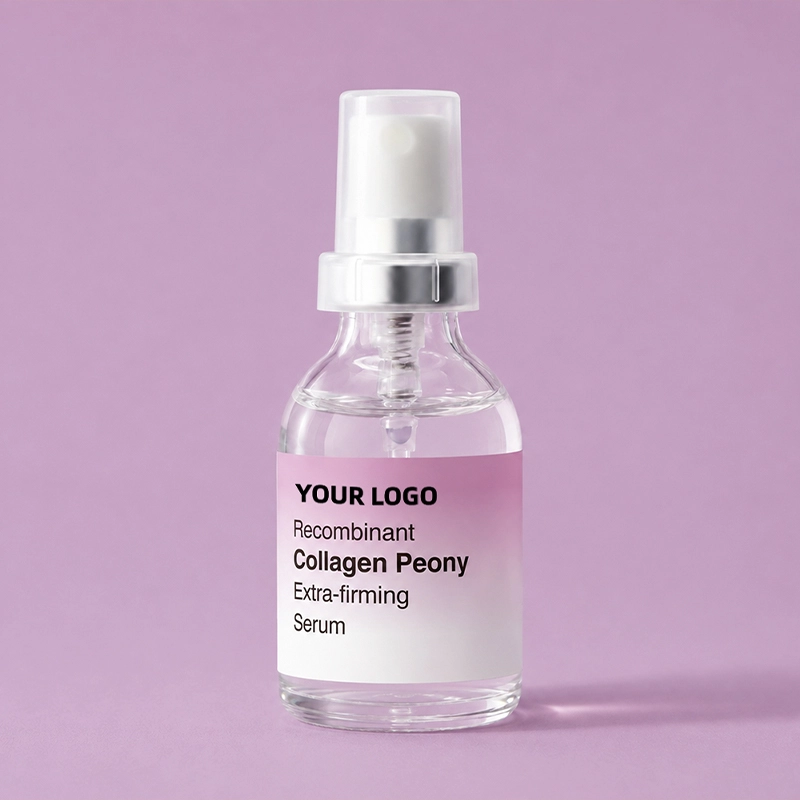
The peony extra-firming serum works night and day to help replenish collagen lost in the skin and delay skin aging. At night, combining the antioxidant power of peony extract with the structural repair ability of Recombinant Human Type lll Collagen,it helps support skin’s visible renewal and firming. Hyaluronic Acid helps lock in moisture. By day, this serum with an helps defend skin against visible effects of free radical damage from environmental sources like pollution.
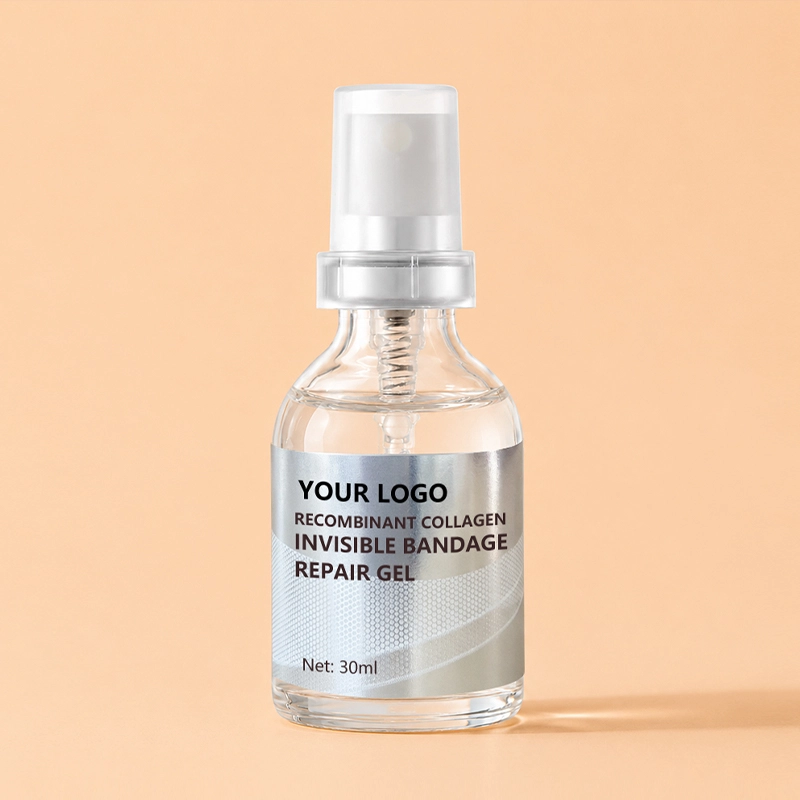
Once applied, it melts into an invisible shield, wrapping your skin like a "liquid bandage" to block out daily irritants.It delivers an instant, deep burst of hydration, melting away dryness, tightness, and that uncomfortable burning feeling.It also hits the fast-forward button on healing—fading acne marks, calming redness, and soothing stinging heat, all while locking in moisture for hours.
Call Us
+86 15810275256
HIGH-PERFORMANCE SKINCARE SOLUTIONS
RECOMBINANT HUMAN TYPE III COLLAGEN
Powered by recombinant human Type III collagen, we provide professional skincare solutions for skin repair, barrier care, anti-aging and customized OEM/ODM development.
- Aseptic packaging
- Medical Grade Daily Skin Care
- Premium skincare formulas