
Home

PRODUCTS
- Gel & Serum
- Mist & Spray
- Mask Systems
- Cream & Emulsion
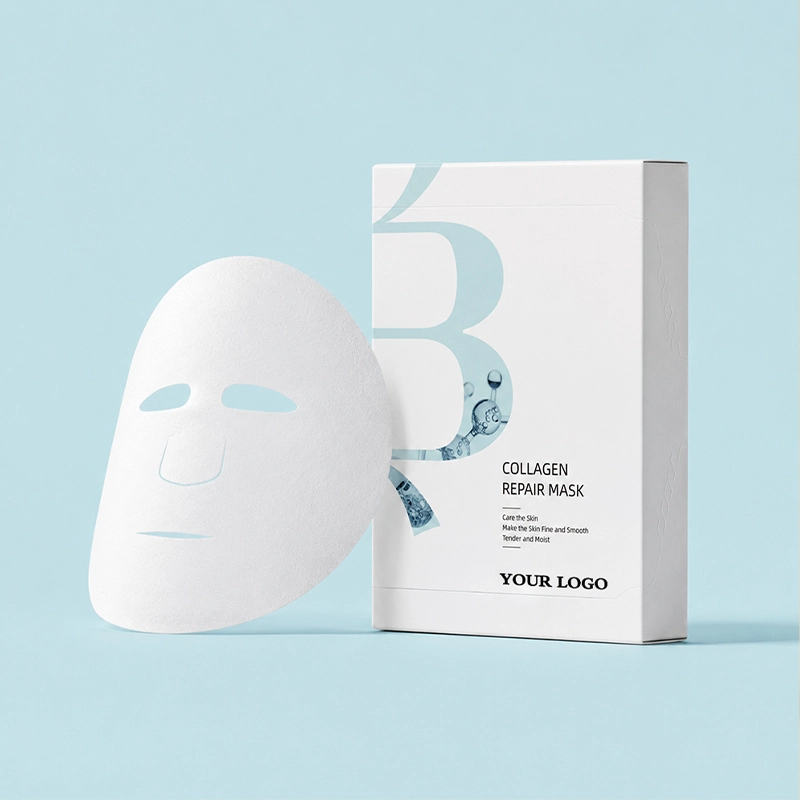
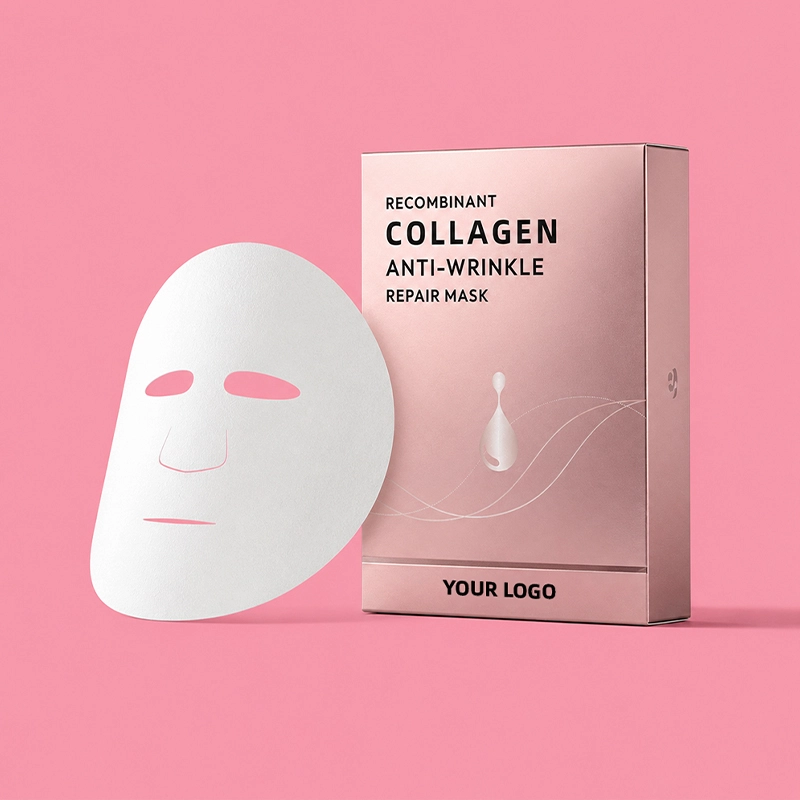
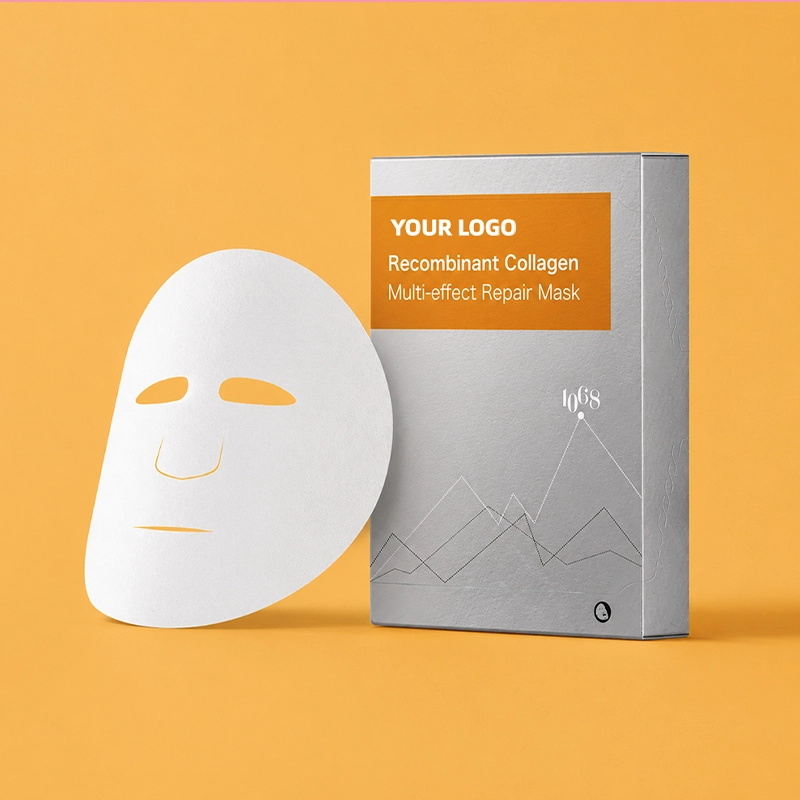
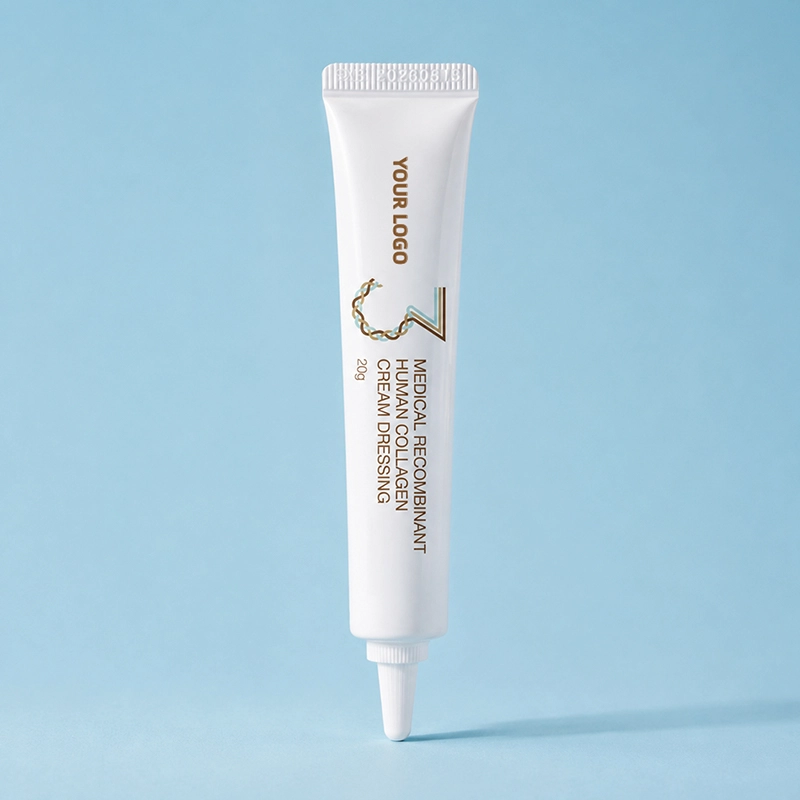

Who we are
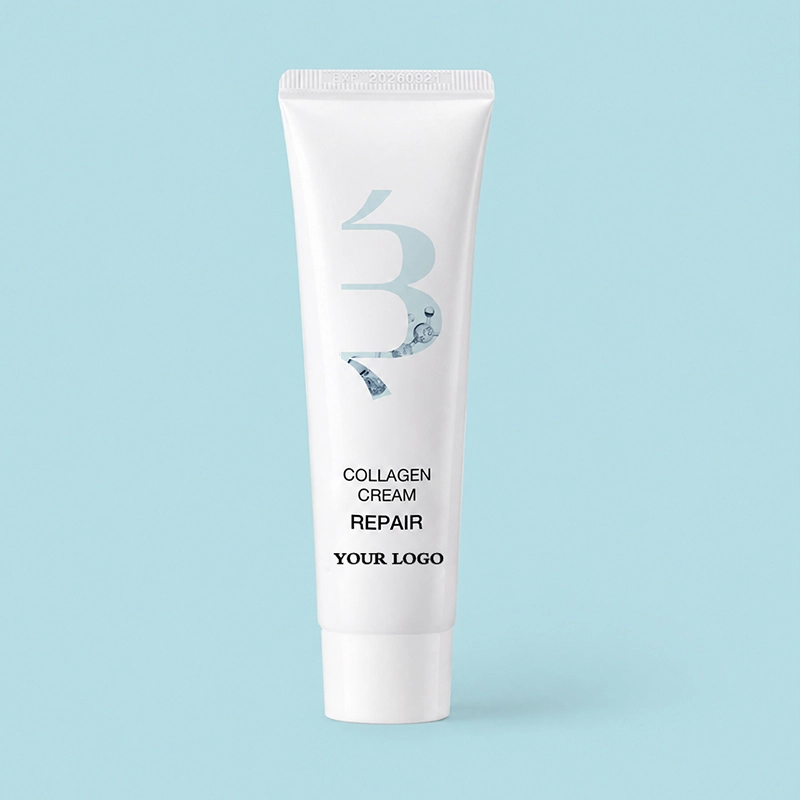
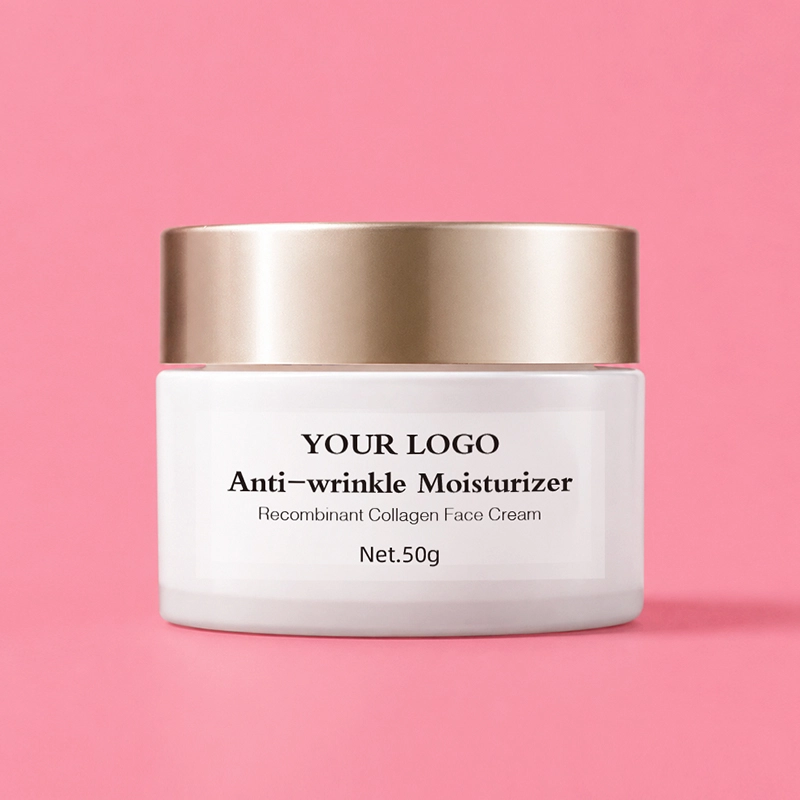
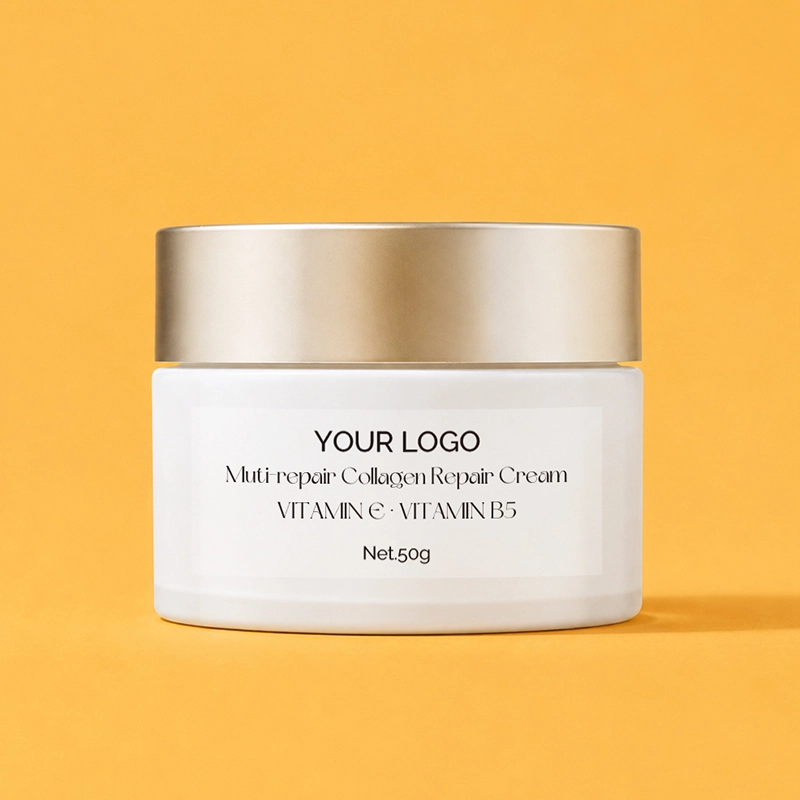
D-Nutrimec, A science-led biotechskincare manufacturer,powered by unique recombinant collagen and driven by clinical results.
ODM
You define the opportunity. We translate it into a differentiated formula, compatible package, validated specification and controlled manufacturing route.
OEM
For projects with a mature formula or clear technical specification that need scale-up, repeatable production, filling, assembly and quality release.
More About Us
Call Us Now
+86 15810275256
NEWS
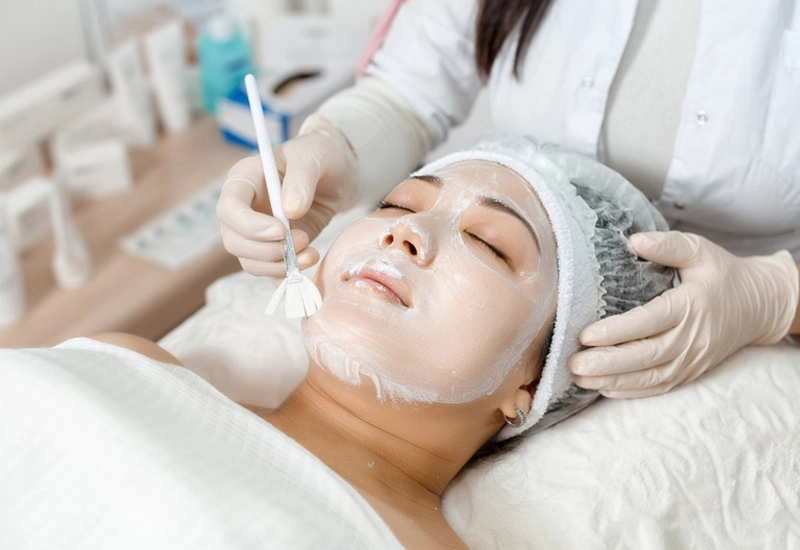
In the post-surgery recovery stage of medical beauty, why is it recommended to pay attention to fragrances and preservatives in skincare products?
After undergoing aesthetic medical procedures such as photon therapy, matrix RF, hydra-facial, and minimally invasive treatments, the skin’s barrier will be temporarily compromised, exposing the epidermal nerves and making the skin highly sensitive and fragile. If normal daily skincare products are used, it can easily lead to burning sensations, redness, and dryness, prolonging the recovery period of the skin.
This article explains the need to avoid fragrances and ordinary preservatives in post-operative care based on skin condition and the principles of ingredient stimulation.
The differences between post-aesthetic medical skin and healthy skin are significant.
Healthy skin possesses a complete barrier formed by keratinocytes, intercellular lipids, and the sebum film, which can block most small irritating molecules from penetrating the dermis.
However, aesthetic medical procedures such as phototherapy, microneedling, and chemical peels can damage the structure of the stratum corneum:
– Keratinocytes become loose, and intercellular gaps widen;
– The surface sebum film is damaged, reducing moisture retention;
– Superficial nerves in the dermis become more susceptible to stimulation;
– The activity of skin inflammatory cells increases, leading to discomfort from minor external irritations.
In simple terms, post-operative skin lacks a protective buffering layer, making it easy for external substances to reach the dermis directly, significantly increasing the risk of irritation.
Comparison of healthy barrier and the damaged barrier structure after aesthetic procedures.
Fragrance is a major potential irritant for post-operative skin.
1. Irritation Mechanism
Fragrances in skincare products are divided into synthetic fragrances and essential oils. Among them, aldehydes and phenolic compounds have small molecular sizes and strong permeability. Healthy skin barriers can block most fragrances, with only a few sensitive skin types experiencing discomfort; however, damaged skin cannot block fragrances, which can penetrate directly through the stratum corneum, prompting immune cells to release inflammatory mediators, exacerbating redness, warmth, and itching. Clinically, the probability of fragrance-induced contact dermatitis significantly increases when the barrier is damaged.
2. Components to Avoid
Ingredients labeled as “fragrance” or “aroma,” or various plant essential oils such as rose and citrus, are considered fragrance additives. Even if labeled as naturally extracted, there is still a risk of irritation during the post-operative healing phase, so it is advisable to avoid them as much as possible.
3. Adverse Effects
Short-term use can easily lead to stinging and facial redness and burning; prolonged exposure to irritation can delay skin healing and also increase the likelihood of post-inflammatory hyperpigmentation.
Illustration of fragrance irritation on skin.
The compliance of preservatives does not mean they are suitable for damaged wounds; scenarios must be differentiated.
1. Normal function of preservatives
Preservatives that comply with national cosmetics safety regulations have lower irritation under normal use on healthy skin and compliant concentrations. Their main role is to inhibit microorganisms within the bottle, ensuring that skincare products do not spoil easily after opening.
2. Reasons for caution with damaged skin post-surgery
First, nerve stimulation: Most low-molecular-weight preservatives can penetrate damaged keratin and contact dermal nerves, causing stinging and itching, which hinders the self-repair of keratinocytes.
Second, risk of wound infection: Microneedling and broken skin procedures can create tiny wounds. Ordinary cosmetics typically come in re-openable packaging; preservatives can only inhibit bacteria inside the bottle, unable to isolate external pathogens introduced during use, which can worsen wound discomfort.
Third, delayed self-healing: Skin repair requires a gentle and stable environment. Prolonged exposure to preservatives can lead to low-grade inflammation, slowing down keratin regeneration and extending the recovery time for dryness and redness.
3. Advantages of medical dressings with preservatives
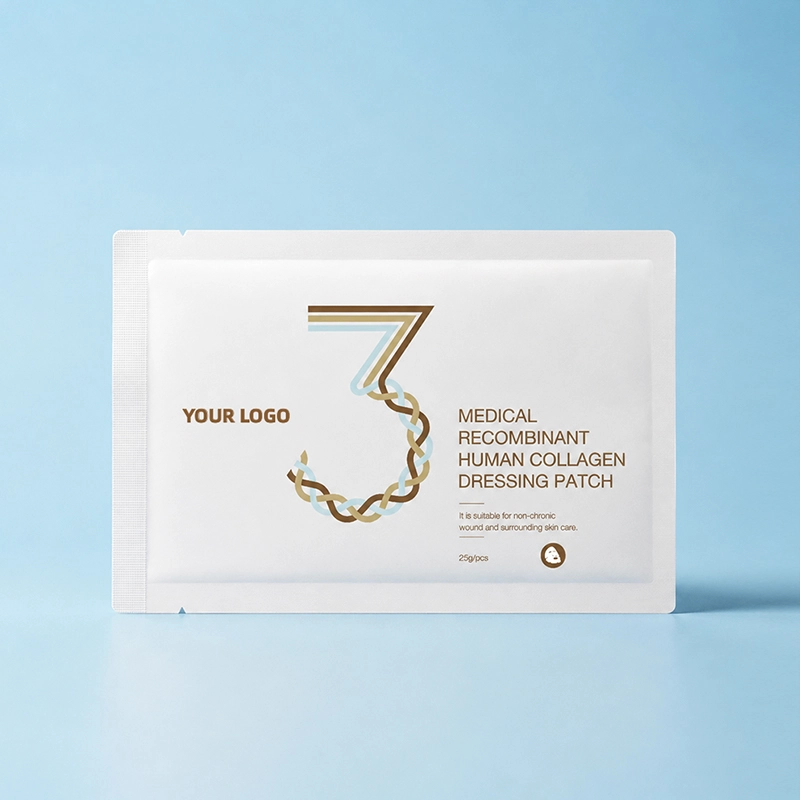
Registered Class II medical repair dressings use independent disposable sterile packaging, produced to high cleanliness standards. They can be used once without the addition of traditional preservatives, minimizing microbial irritation and making them suitable for short-term wound care.
Possible skin discomforts:
– Immediate reactions: persistent stinging, facial warmth, widespread redness;
– Short-term symptoms: recurrent dryness and itching, peeling, tightness that is hard to relieve;
– Recovery period issues: slow resolution of inflammation, dull skin tone, increased risk of pigmentation;
– Skin lesions: redness and swelling at the site of micro-injury, intensified discomfort.
If any of the above occur, discontinue use of the product immediately, reduce external irritants, and consult a dermatologist promptly.
Three Key Selection Criteria for Postoperative Repair Products
1. Simplified Formulation with Minimal Additives
Prioritize products that focus on core ingredients for repair and hydration, avoiding irrelevant additives such as fragrances and colorants to reduce the burden on the skin.
2. Differentiate Cosmetic Products from Medical Dressings Based on Wound Type
For intact skin with no damage: compliant cosmetic skincare products can be used normally.
After procedures involving light therapy, microneedling, or skin tearing (where wounds and barrier damage are present): follow the doctor’s advice to use Class II medical dressings. The sterilization standards for cosmetic products are lower than those for medical devices and are not recommended for fresh wounds.
3. Prefer Individually Sterile Packaging
Large-capacity bottles that are repeatedly opened can breed bacteria despite the presence of preservatives; individually sealed sterile packaging is more suitable for fragile post-surgical skin.
Under a complete skin barrier, the fragrances and preservatives in regular skincare products typically do not cause significant irritation. However, skin that has undergone cosmetic procedures often has open wounds and compromised stratum corneum, greatly reducing its protective ability: fragrances can easily trigger allergic inflammation, and ordinary preservatives may continuously irritate the wound and interfere with skin self-healing.
The core of postoperative repair is to create a low-irritation, clean, and gentle repair environment for the skin, minimizing interference from excessive additives to allow normal repair and regeneration of the stratum corneum and dermal tissue.
*Note: This article is for educational purposes regarding skincare ingredients and does not substitute for professional medical advice. Please follow the guidance of the operating physician for specific postoperative care; read the product instructions for medical dressings or purchase and use them under medical supervision.
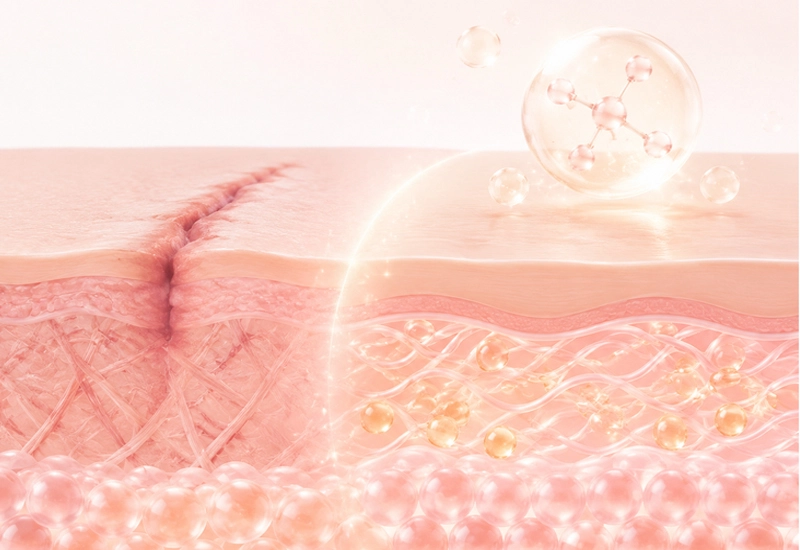
From Wound to Scar: What Factors Are at Play in the Skin Healing Process?
In life, it’s inevitable to have some small accidents—like cutting yourself while chopping vegetables, falling off a bike, or popping a pimple… After the wound heals, many people wonder: why do some recover smoothly while others are left with noticeable marks?
To answer this question, we need to start from the moment the wound forms, delving into the deeper layers of the skin to explore the repair process involving fibroblasts, the extracellular matrix (ECM), and the inflammatory response.
Four Stages of Skin Repair: A Precise Relay
After skin injury, the stages of hemostasis, inflammation, repair, and remodeling unfold in sequence.
Step 1: Hemostasis – A few minutes after the injury, platelets gather and release signaling molecules that activate the clotting response, converting fibrinogen into fibrin to form a temporary “scaffold” that prevents blood loss and provides a landing point for subsequent cell migration.
Step 2: Inflammation – About 2 hours later, neutrophils and macrophages arrive to clear bacteria and debris, releasing signaling molecules. Inflammation needs to be moderate; excessive or prolonged inflammation can lead to more pronounced scarring.
Step 3: Repair – Fibroblasts are activated and differentiate into myofibroblasts, secreting large amounts of collagen (types I and III) and ECM proteins while also contracting the edges of the wound. New capillaries grow in, forming granulation tissue.
Step 4: Remodeling – This stage can last from several weeks to months. Myofibroblasts secrete enzymes to organize the collagen, degrading the excess while retaining the orderly arrangement, ultimately leading to cross-linking and stabilization. The appearance of the healed area is essentially determined at this stage.
Adult vs. Fetus: Why Do Fetal Healing Scars Appear Lighter?
When injured similarly, fetal skin heals with lighter scars, while adults are more likely to leave marks. Research reveals several key differences:
1. ECM Hardness
The extracellular matrix (ECM) in fetuses is softer than in adults, allowing fibroblasts to remain “calm” and be less prone to excessive activation. The harder ECM in adults makes cells more sensitive to mechanical stress, leading to increased collagen secretion, which may result in excessive deposition.
2. Different Ratios of TGF-β Subtypes
There are three subtypes of TGF-β (Transforming Growth Factor-β): TGF-β1 and TGF-β2 promote fibroblast activation and are involved in fibrosis; TGF-β3 tends to inhibit excessive activation and promotes healing that is closer to normal skin. Fetal wounds have higher expression of TGF-β3, while adults predominantly express TGF-β1 and TGF-β2. This difference in ratios affects the quality of healing.
3. Different Polarization States of Macrophages
Macrophages exist in two states: pro-inflammatory (M1) which release inflammatory factors, and anti-inflammatory/repair (M2) which release anti-inflammatory factors and participate in repair. Fetal wounds are primarily M2, while adults have a dominant M1 response initially, which lasts longer, continuously stimulating fibroblasts and potentially leading to excessive collagen deposition.
Molecular mechanisms of scar formation
Fibroblasts → Myofibroblasts
Myofibroblasts are key executors of scar formation, expressing α-SMA which provides contractile ability, and secreting a large amount of collagen. Upon activation, the stiffer ECM promotes further differentiation of fibroblasts, making the ECM even harder, creating a positive feedback loop.
Integrins – the “mechanical sensors” of cells
Integrins are transmembrane receptors on the surface of fibroblasts that convert physical signals from the ECM into intracellular signals. Different integrins have different functions: αvβ6 activates TGF-β to promote fibrosis, α5β1 maintains homeostasis, and α1β1 binds to type III collagen, corresponding to the phenomenon of scar-free healing in fetuses.
Collagen: An Important Component of Skin Structure
Collagen accounts for more than 75% of the dry weight of the skin. Type I collagen provides strength and is the main type found in adult skin; type III collagen is finer and softer, and is present in higher amounts in fetal and young tissues.
When the ratio of type III to type I is higher, the healed tissue is closer to the elasticity of normal tissue; when there is excessive deposition and disorganization of type I collagen, it is more prone to forming visible scars.
Scientific Skincare: General Principles Supporting the Skin’s Self-Repair
Based on the aforementioned mechanisms, daily care can refer to the following points:
1. Maintain appropriate hydration and softness of the skin—When the barrier is intact and adequately hydrated, the ECM environment is closer to a “soft” state, which is beneficial for fibroblast homeostasis.
2. Focus on collagen metabolism balance—The skin continuously synthesizes and degrades collagen. As mentioned earlier, the proportion of type III collagen has a direct impact on the quality of healing; thus, supplementing type III collagen in skincare helps provide more balanced collagen support for the skin.
3. Reduce excessive external stimuli—Factors such as ultraviolet rays, improper skincare, and mechanical friction may exacerbate local inflammation and affect the repair rhythm.
4. Choose gentle and reasonable skincare methods—Use products with mild formulations, avoid excessive exfoliation and aggressive squeezing, and allow the skin sufficient time for self-repair.
The skin is the largest organ of the human body and serves as our most direct barrier against the outside world. Each time a small wound heals, it is a “project” involving the precise cooperation of cells, matrix, and signaling molecules. Understanding this is not to induce anxiety, but to cultivate greater respect for the wisdom of the skin, promoting rational approaches in daily skincare. Scientific skincare is the greatest respect for the skin’s inherent powers.
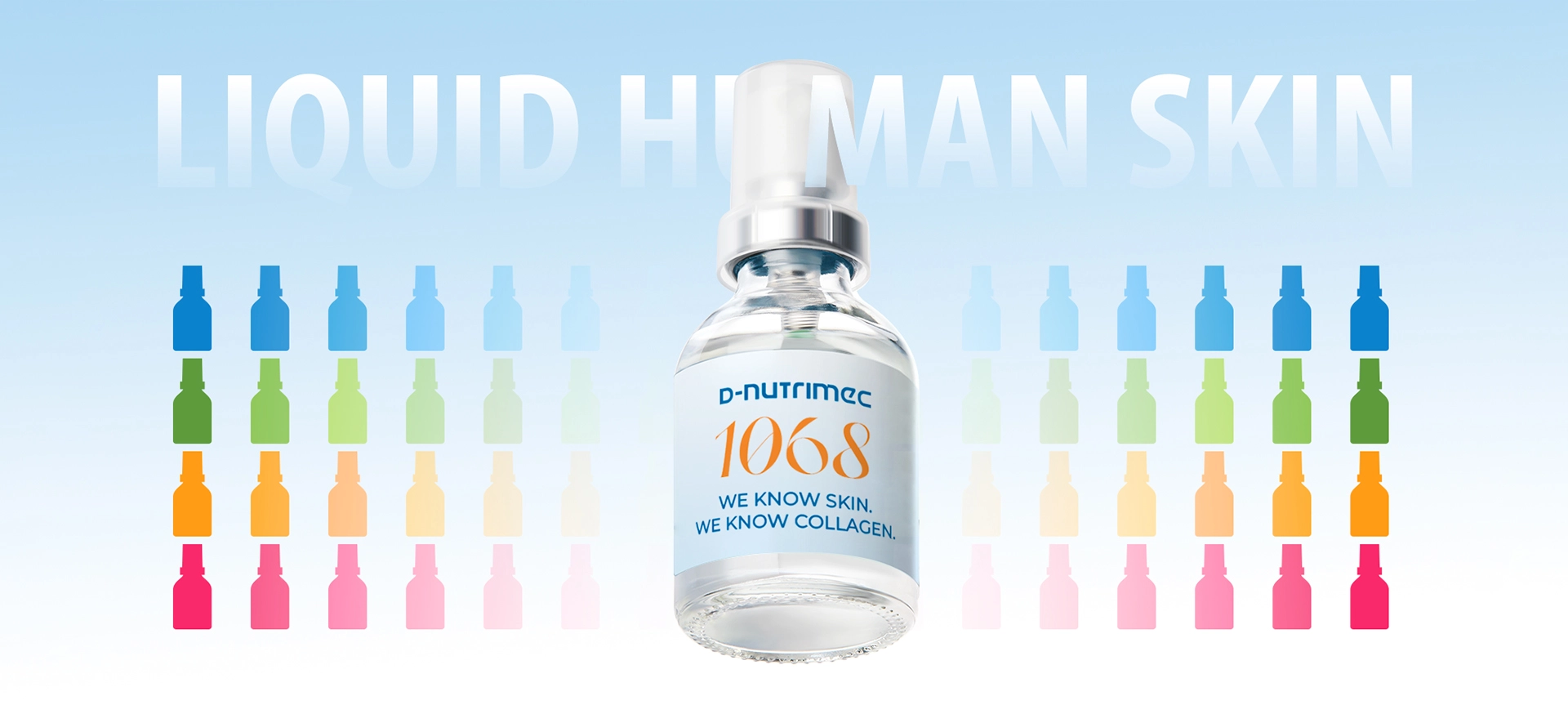
Liquid Human Skin 1068
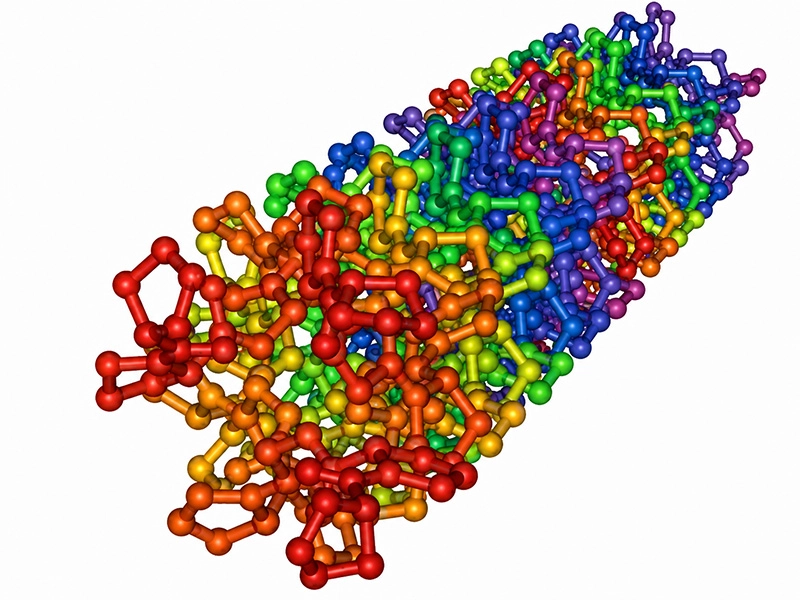
Collagen is one of the most important structural proteins in the skin. It provides strength and support to the skin and surrounding tissues, while also playing an essential role in tissue repair and regeneration.
Approximately 28 types of collagen have been identified in the human body. Among them, Type I and Type III collagen are the predominant forms found in the skin and together account for the vast majority of dermal collagen.
Collagen Loss and Skin Aging.One of the key changes associated with skin aging is the gradual loss and degradation of collagen in the dermis.
As collagen levels decline, the skin’s supportive collagen network becomes weaker and less organized. This can reduce skin firmness and elasticity, contributing to visible signs of aging such as fine lines, wrinkles, sagging, and loss of facial firmness.
Over time, the deterioration of the dermal collagen matrix can lead to a thinner and less resilient skin structure, making collagen maintenance an important part of healthy skin aging.
Support Youthful-Looking Skin by Replenishing What It Needs.
THE FIVE BENEFITS OF COLLAGEN PROTEIN
1.Hemostatic Support
Helps support the skin after minor surface damage, promoting a more stable skin condition and helping relieve discomfort.
2.Skin Repair
Helps replenish and support damaged skin, strengthen the skin barrier, and improve the appearance of compromised skin for a smoother, healthier-looking finish.
3.Structural Support
Collagen helps support the skin’s structural network, improving the appearance of fine lines while leaving the skin looking plumper, smoother, and more elastic.
4.Moisture Retention
Helps bind and retain moisture within the skin, improving hydration levels and leaving the skin feeling soft, supple, and firm.
5.Brightening
Helps improve the appearance of uneven skin tone, dark spots, and dullness for a brighter, more radiant complexion.
PRINCIPLES OF COLLAGEN REPAIR
When the skin barrier is compromised, moisture can escape more easily, while external irritants and microorganisms may penetrate the skin more readily. This can weaken the skin’s natural defense system and slow the recovery of damaged or stressed skin.
Recombinant collagen can self-assemble into a collagen fiber network on the surface of compromised skin, forming a protective physical barrier against external irritants. At the same time, it helps maintain a moist environment that supports the skin’s natural repair and regeneration processes.
Learn More
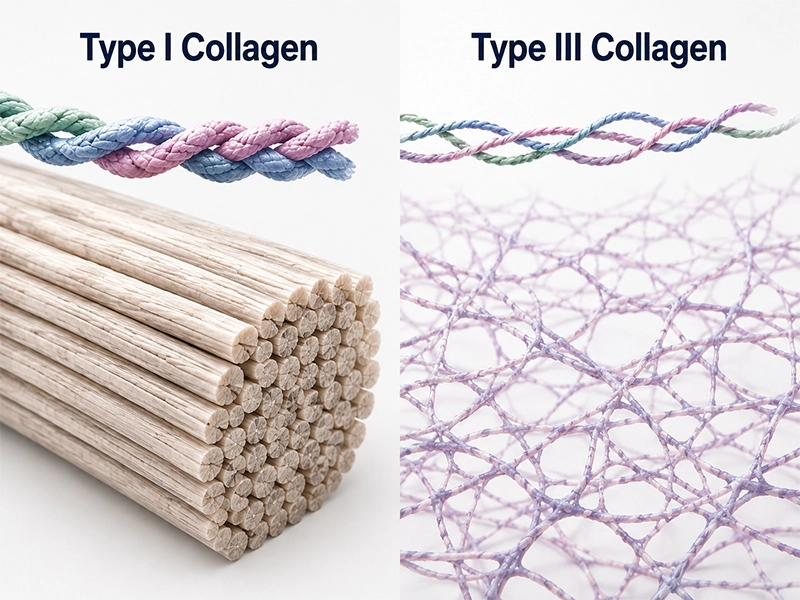
>TYPE I AND TYPE III COLLAGEN
Type I Collagen — The Primary Structural Collagen in Skin
Type I collagen accounts for approximately 80–85% of the collagen found in the dermis. It forms thick, tightly packed fibers that provide the skin with structural strength, firmness, and mechanical support.
Type I collagen also plays an important role in maintaining tissue integrity and supporting the skin’s natural repair process.
However, excessive or abnormal accumulation of Type I collagen during tissue repair may contribute to fibrosis and visible scar formation.
Type III Collagen — Supporting Skin Elasticity and Regeneration
Type III collagen forms a fine, loosely organized network within the skin. It is present at relatively high levels in infant skin and accounts for approximately 15–20% of collagen in adult skin.
It plays an important role in maintaining skin elasticity, softness, and tissue repair, while helping support the skin’s natural regenerative process.
Higher levels of Type III collagen are generally associated with finer, more flexible skin structure and may contribute to more balanced tissue remodeling with a lower tendency toward visible scar formation.
>THE DIFFERENCE BETWEEN ANIMAL SOURCES AND RECOMBINANT SOURCES
The Evolution of Collagen Production
Collagen has a long history of use and can be obtained from a variety of sources. Traditionally, one of the primary methods of obtaining collagen was extraction from animal tissues.
With continued advances in biotechnology, recombinant DNA technology and fermentation-based production have emerged as advanced approaches to collagen manufacturing, offering a more controlled and consistent alternative to traditional animal-derived collagen.
Source
Animal-Derived Collagen
Recombinant Collagen
Production Method
Extracted from animal tissues using chemical and enzymatic methods
Produced through genetic engineering and fermentation
Potential Viral Risk
Present
None
Allergic Reaction Risk
Present
Very Low
Water Solubility
Insoluble in Water
Readily Soluble in Water
pH
3.0–4.5
6.5–7.5
Denaturation Temperature
37–43°C
>72°C
Tissue Compatibility
Relatively Low
High
Advantages
Widely available sources; suitable for large-scale production
Highly homologous to human collagen;
high bioactivity; suitable for large-scale production
Disadvantages
Lower bioactivity; potential risks of viral contamination
and cytotoxicity
Higher Production Cost
>THE DIFFERENCE BETWEEN LONG COLLAGEN AND SHORT COLLAGEN
Type
Liquid Human Skin 1068
Short Peptides
Structure
Intact collagen peptide chains with a high molecular weight
Cleaved or degraded peptide fragments with a low
molecular weight
Application
Medical-Grade Collagen (Medical Device Grade)
Non-Medical Use (Cosmetic Grade)
Advantages
Provides structural support and retains comprehensive biological
activity
Good permeability and easier transdermal absorption
Limitations
Limited transdermal absorption due to its larger molecular size
Incomplete functional domains
Primary Function
Mainly forms a protective barrier on the skin surface, helping reduce
transepidermal water loss (TEWL)
and protect the skin from external contaminants such as bacteria,
viruses, and dust
Mainly provides skin-conditioning and nourishing
benefits, supporting the skin’snatural renewal process
Did You Know? High-Molecular-Weight Collagen Still Plays an Important Role in Skin Care
High-molecular-weight collagen does not need to penetrate deeply into intact skin to provide meaningful skincare benefits.
When the skin barrier is compromised, collagen can interact more closely with the affected surface and help create a supportive environment for the skin’s natural recovery process.
For daily skincare, high-molecular-weight collagen can form a moisture-retaining protective film on the skin surface, helping reduce moisture loss, protect against external stressors, and support a healthier skin barrier.
Through hydration and surface conditioning, it helps leave the skin feeling softer, smoother, and more resilient.
Learn More
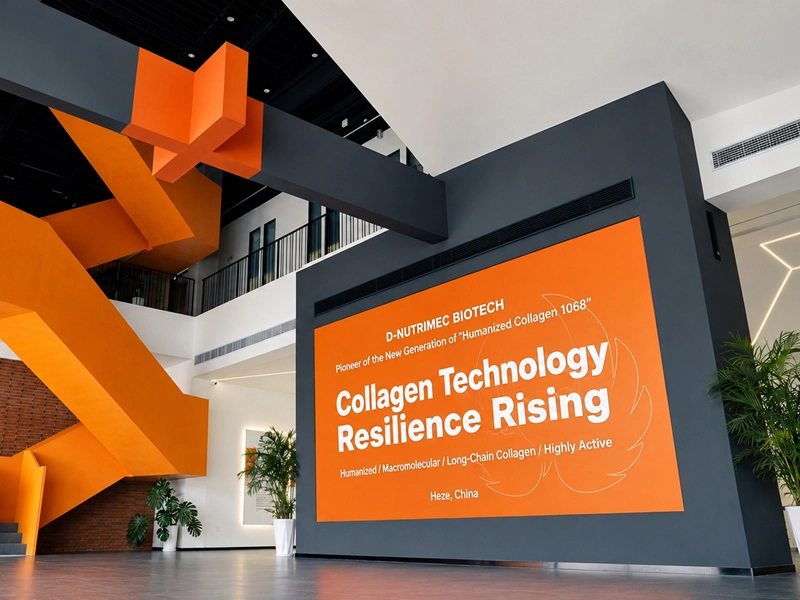
100% Human-Homologous Sequence · Full-Length Peptide Chain of 1,068 Amino AcidsDuomeikang Biotechnology — Core Patented Technology
8 Years of R&D · Full-Length Recombinant Human Type III Collagen
After 8 years of dedicated research and development, Duomeikang Biotechnology successfully developed a large-scale yeast fermentation process using 30-ton fermentation tanks for the production of full-length Recombinant Human Type III Collagen with a complete peptide chain of 1,068 amino acids.
The resulting recombinant collagen features a full-length molecular structure, high molecular weight, and preserved functional integrity, providing a strong technical foundation for advanced skincare and skin-repair applications.
A New Standard for Premium Collagen
New Targets · New Structures · New Technologies · New Materials
Duomeikang Biotechnology has completed 110+ independent third-party testing and evaluation reports, covering multiple dimensions of product quality and performance.
From raw materials to finished formulations, and from efficacy evaluation to safety assessment, comprehensive quality control is implemented throughout the entire process to ensure consistent, reliable product quality.
Learn More
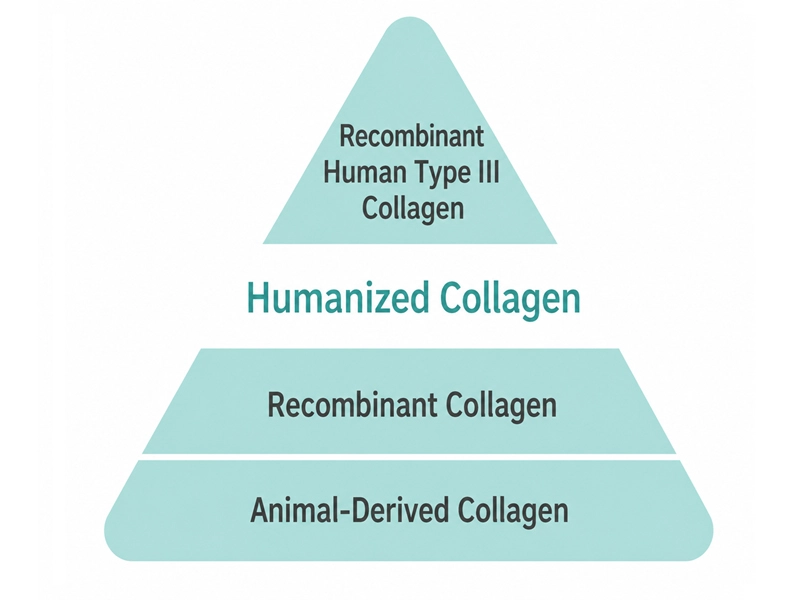
1. Human-Homology Transparency
D-NUTRIMEC Recombinant Human Collagen is designed with a 100% human-homologous amino acid sequence, identical to the corresponding human collagen sequence. This human-compatible design supports excellent biocompatibility and helps minimize the concerns associated with animal-derived collagen.
2. Collagen Type Transparency
D-NUTRIMEC clearly identifies its core collagen type as Recombinant Human Type III Collagen. With a clearly defined core ingredient and targeted functional properties, there is no ambiguity about the collagen type used in the formulation.
3. Source Transparency
Duomeikang Biotechnology is the direct manufacturer of the recombinant collagen raw material, enabling greater control over quality, safety, and traceability from the source.
4. Efficacy Transparency
D-NUTRIMEC products contain recombinant human collagen at functionally relevant levels—not merely for label claims or conceptual addition. The core ingredient and product performance are supported by clinical evaluation and efficacy testing to provide evidence-based product substantiation.
5. Quality Consistency Transparency
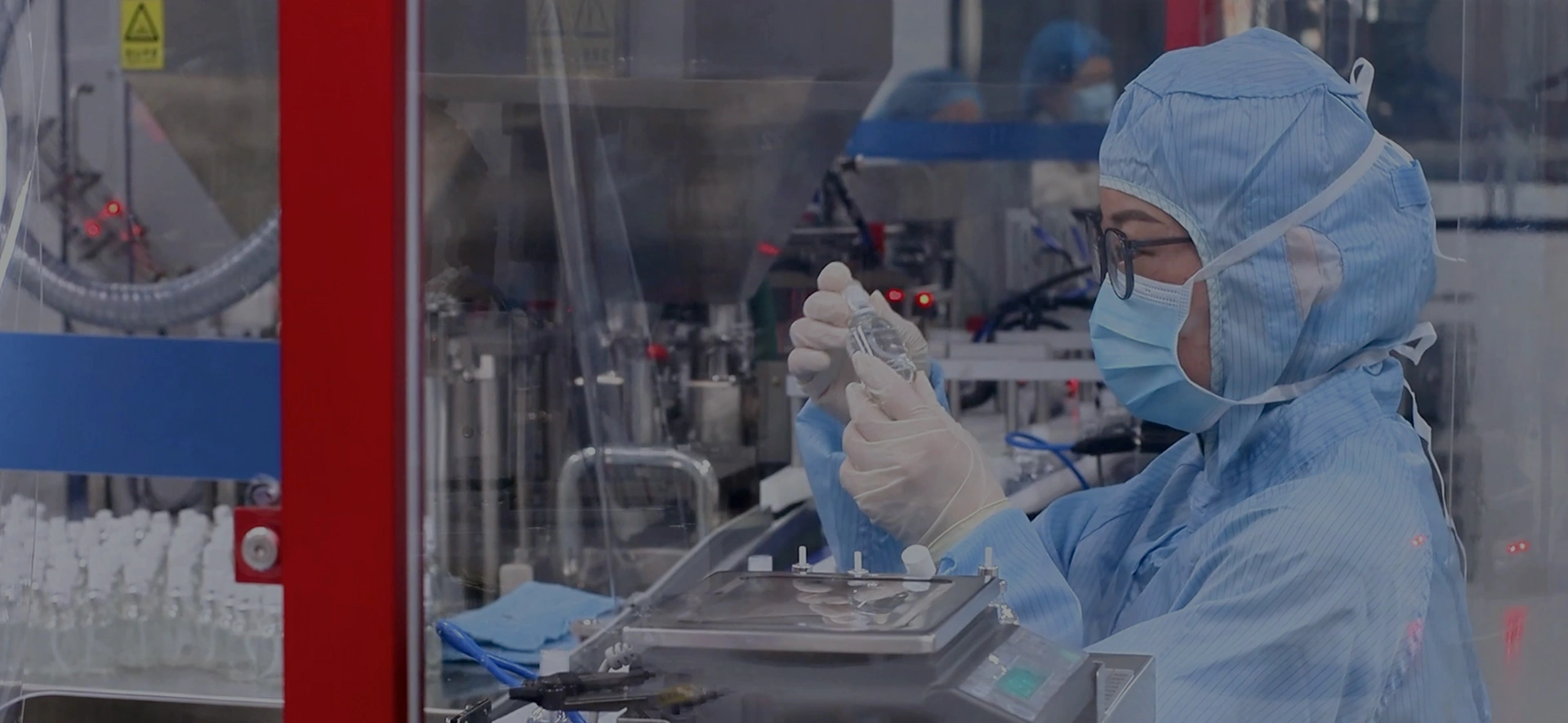
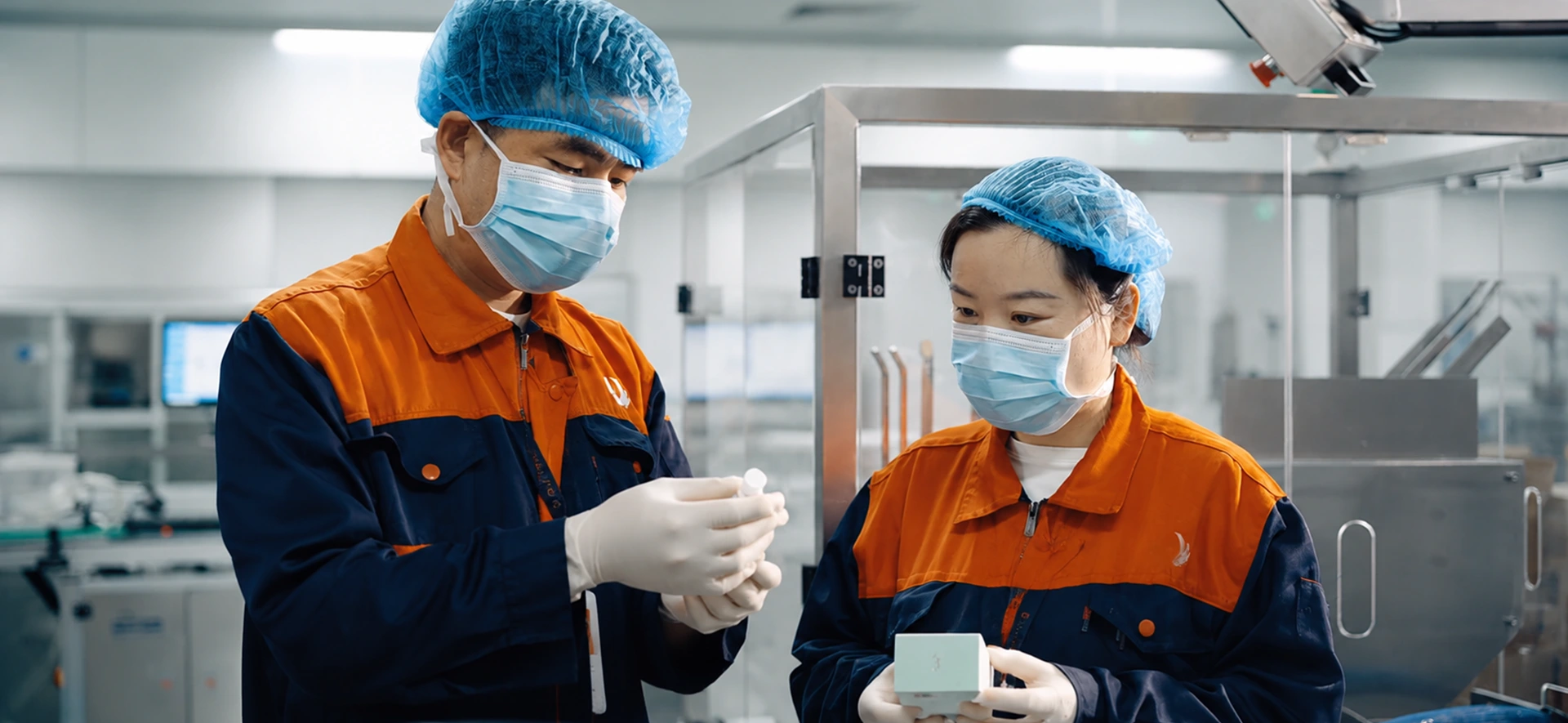
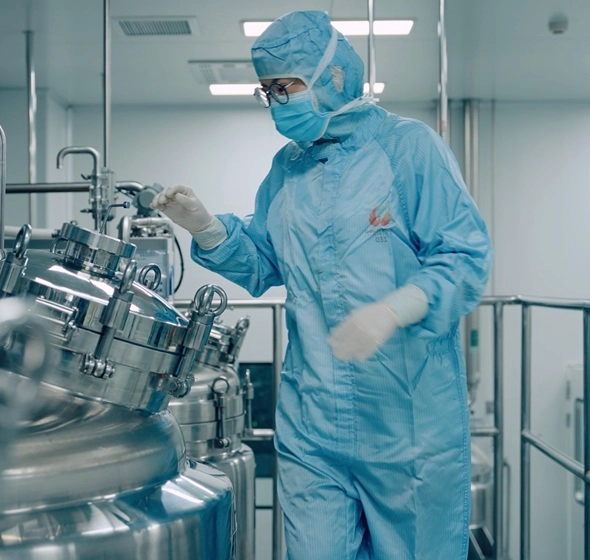
D-NUTRIMEC uses Water for Injection (WFI) and is manufactured under stringent cleanroom-controlled conditions. The production process incorporates microbial control and sterilization procedures, including Co-60 irradiation where applicable, to help maintain consistent product quality from raw material to finished formulation.
Quality consistency is controlled across:
Raw Materials · Formulations · Safety · Efficacy · Finished Products
Learn More
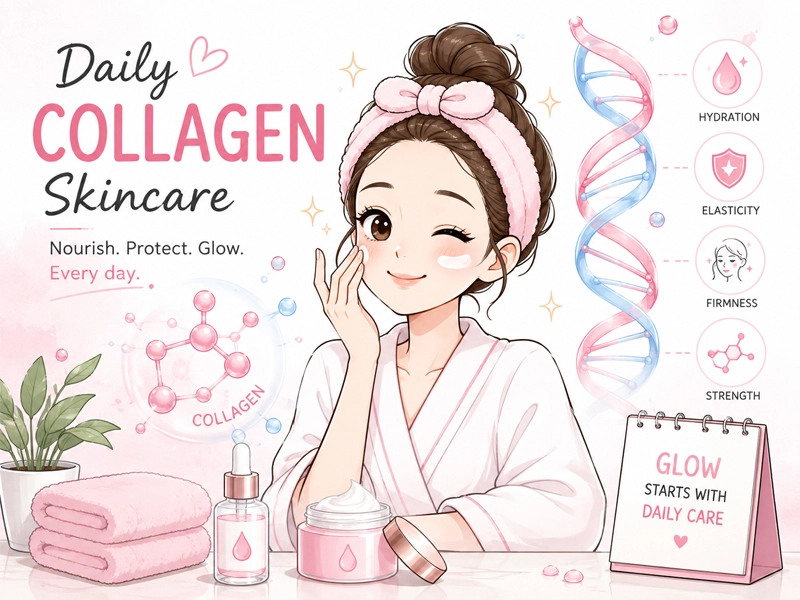
Collagen Loss & Visible Skin Aging
As we age, the skin’s natural collagen levels gradually decline. This loss of structural support is one of the key factors associated with visible signs of skin aging, including fine lines, wrinkles, dryness, dullness, uneven skin tone, and loss of firmness and plumpness.
Supporting the skin’s collagen environment, hydration, and barrier function can help maintain a smoother, firmer, and more youthful-looking complexion.
D-NUTRIMEC products are formulated with Recombinant Human Type III Collagen to provide targeted skincare support for aging and stressed skin.
The range helps:
Brighten dull-looking skin
Improve skin smoothness and texture
Lock in moisture for lasting hydration
Improve the appearance of fine lines
Support skin firmness and elasticity
Maintain a healthier-looking skin barrier
Did You Know?
D-NUTRIMEC products can be easily incorporated into your existing skincare routine and used alongside other skincare products.
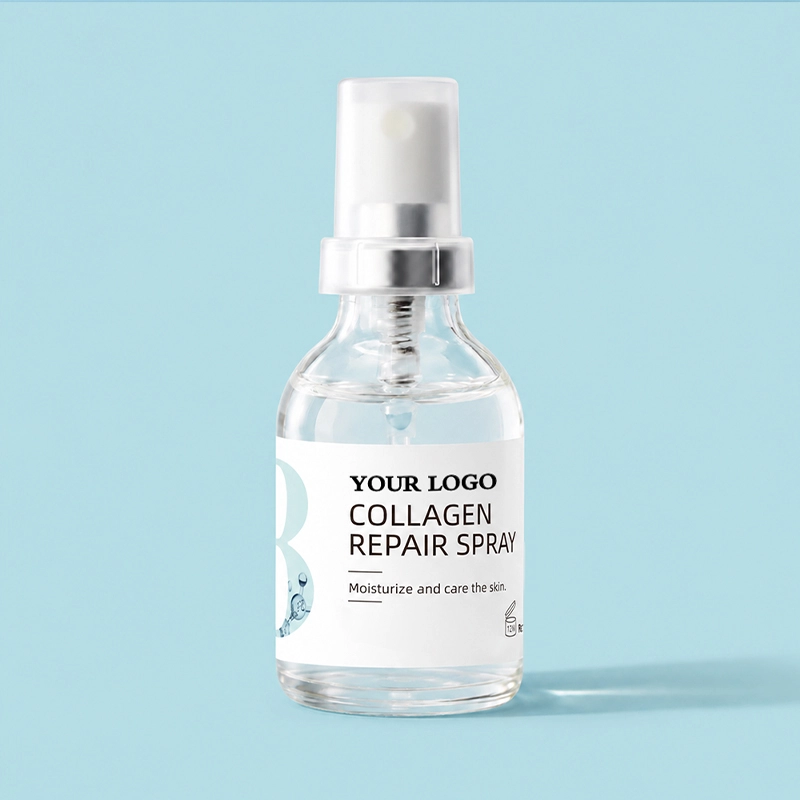
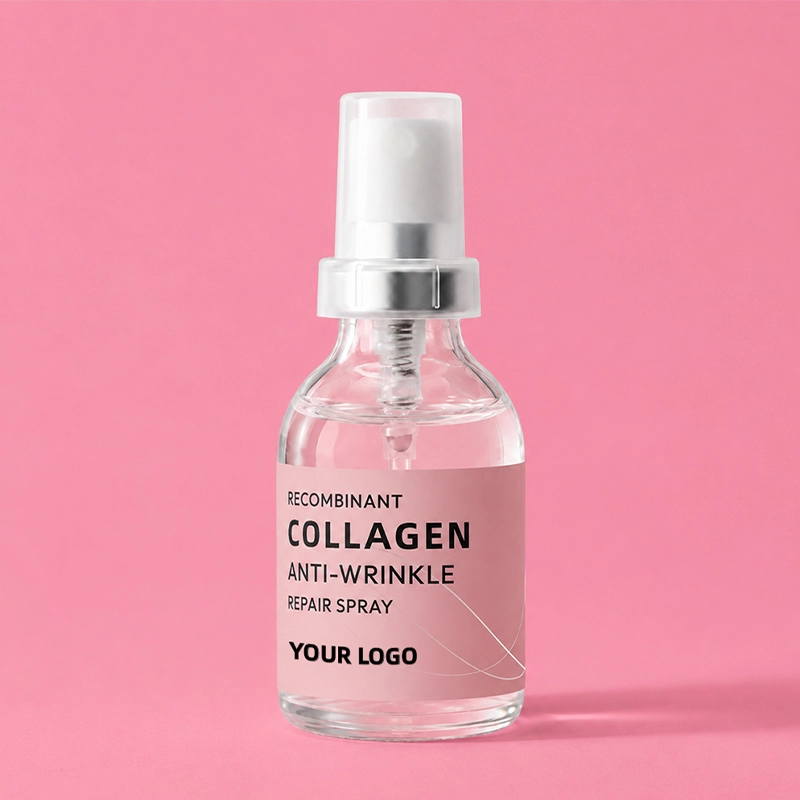
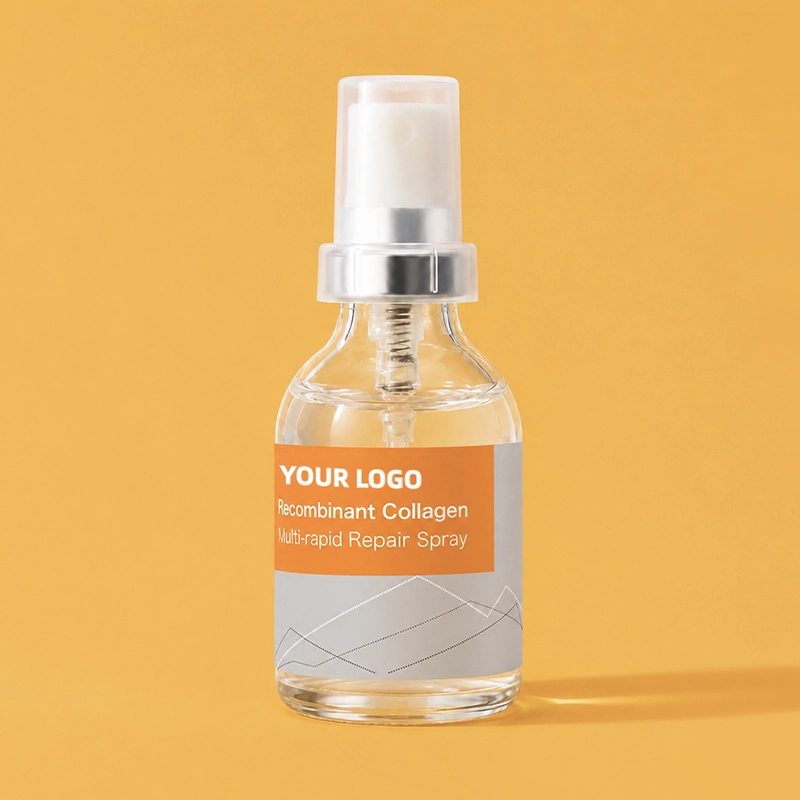
D-NUTRIMEC Spray can be used in place of a toner.
D-NUTRIMEC Gel can be used as a serum step.
D-NUTRIMEC Ointment can be used as a moisturizer or cream step.
This flexible routine makes it easy to customize your skincare according to your skin’s needs.
Learn More
APPLICATION
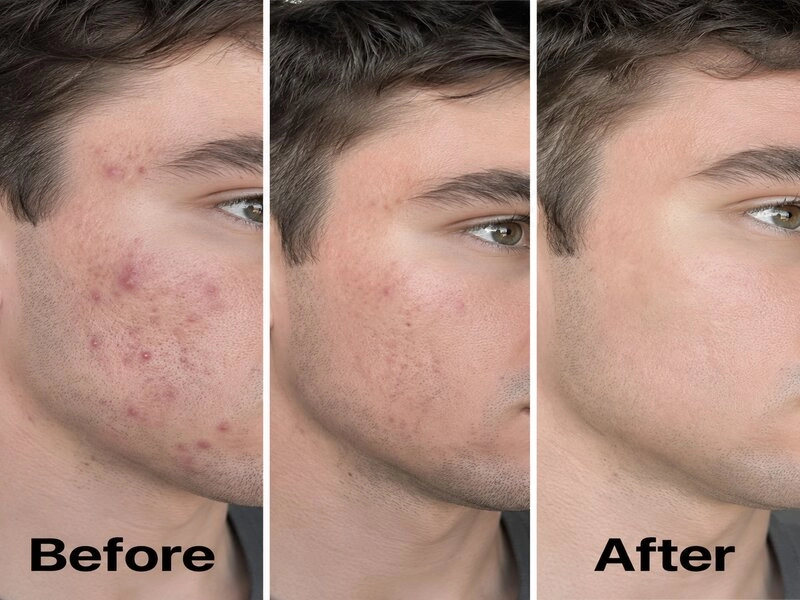
Acne Treatment Case
Skin Condition: Suffering from moderate acne for a long time, with recurring inflammatory papules and pustules on the face, especially the cheeks and chin. Some pimples left red acne marks after healing, and the skin barrier function was impaired.
Product Used: Recombinant Type III Humanized Collagen Dressing
Usage: After cleansing the face, apply the dressing to the entire face for 20 minutes each time, 3-4 times a week, for a total of 4 weeks as one cycle. Apply the recombinant collagen ointment dressing topically to broken pimples.
Results: In the first week, inflammation was reduced, and new pimples decreased; in the second week, papules significantly subsided, and skin redness and swelling improved; in the fourth week, acne was basically under control, acne marks faded, and skin texture became smoother. The user commented: “I used many acne products before, and they made my skin drier. This one makes my skin feel very comfortable, and the acne is gradually disappearing.”
Product Principle: Recombinant humanized type III collagen shows promising application prospects in the treatment of acne dermatitis and other skin problems. The product adheres to the “eight-free” safety standard, contains no acne-causing ingredients, is suitable for acne-prone skin, and helps repair the damaged skin barrier.
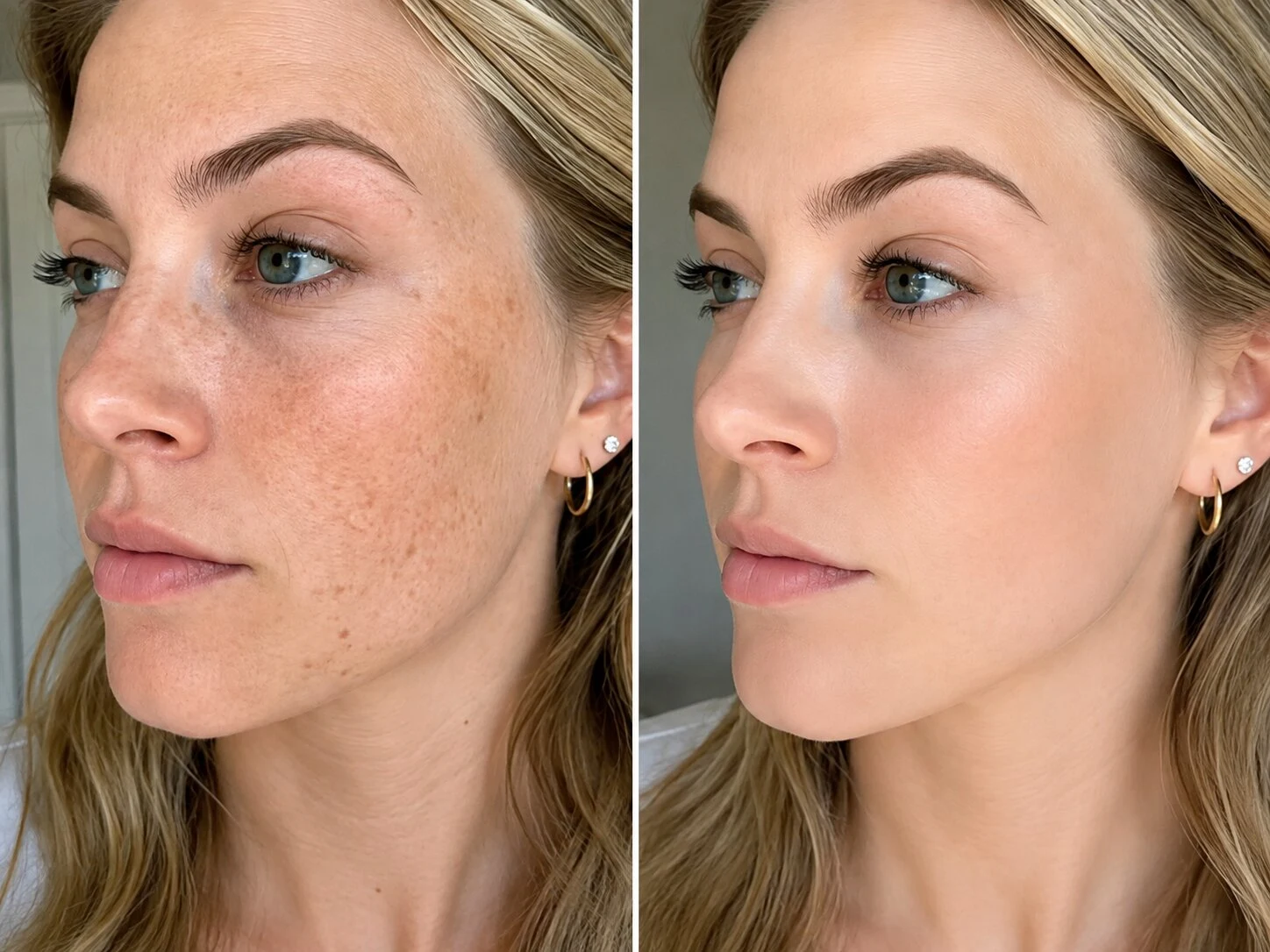
Brightening Dull Skin Case
Skin Condition: Long-term late nights at work resulted in a dull, yellowish complexion, lack of radiance, oily T-zone but dry cheeks, and an overall poor complexion.
Product Used: Recombinant Type III Humanized Collagen Hydrating and Brightening Mask
Usage: Use the mask 3 times a week for 20 minutes each time, for 4 consecutive weeks. Use daily with a Recombinant Collagen Hydrating and Brightening Spray for basic moisturizing.
Results: After 1 week of use, skin hydration was significantly improved; after 2 weeks, skin tone began to even out, and dullness improved; after 4 weeks, skin radiance was significantly improved, overall complexion improved, and makeup adhered better. The user commented, “My friends asked if I’ve been going to bed earlier lately; it’s just that I switched to the right skincare products.”
Product Principle: This product has deep hydrating and moisturizing capabilities, replenishing skin moisture and helping to improve dullness and dehydration. Long-term use helps improve skin hydration and smoothness, and combined with the repairing effect of collagen on skin structure, it improves skin tone and texture from the inside out.
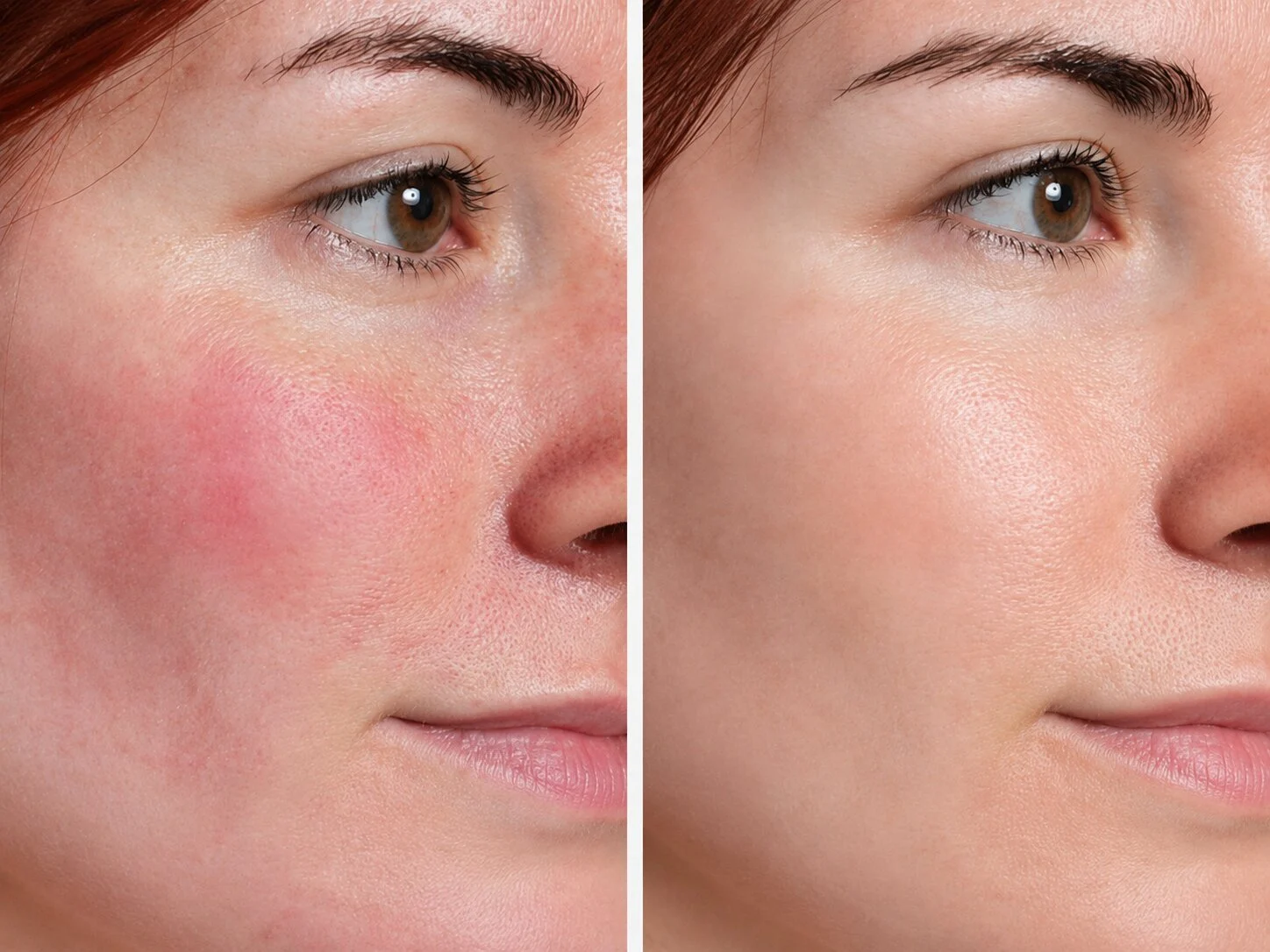
Post-Laser Treatment Recovery Case
Skin Condition: The user underwent fractional laser treatment at a medical aesthetic institution due to freckles and uneven skin tone. On the day of the procedure, significant redness, swelling, and burning sensation appeared on the face, the skin barrier was severely damaged, and there was slight oozing.
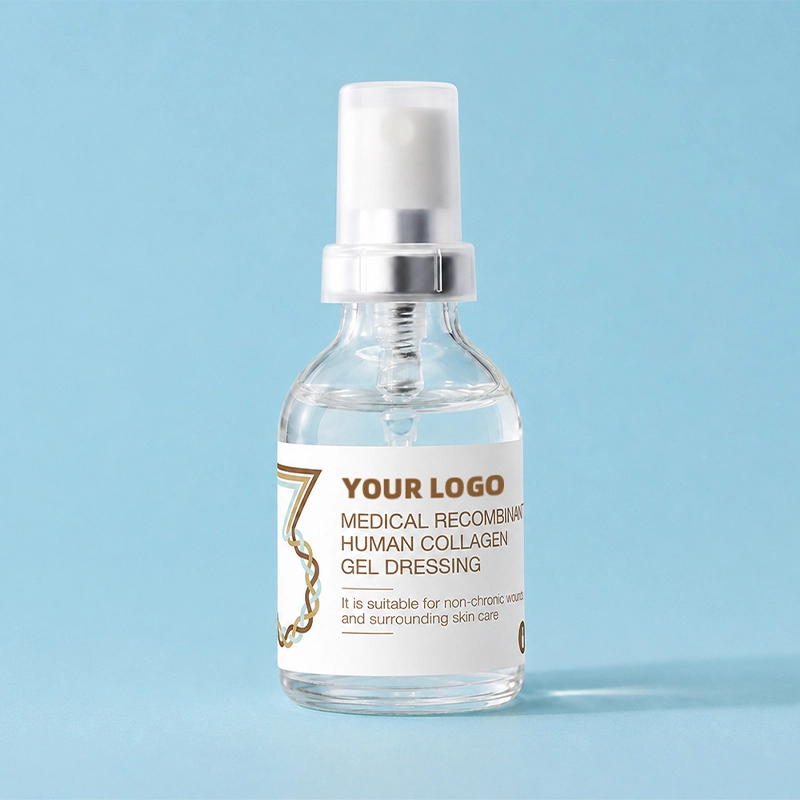
Product Used: Medical-grade recombinant human type III collagen repair dressing (gel type)
Usage Procedure: Immediately after the procedure, the gel dressing was evenly applied to the treated area under the doctor’s guidance, three times daily. For the first three days, it was used in conjunction with a medical cooling compress; thereafter, the gel was used alone for continuous repair.
Results: The burning sensation was significantly relieved on the day of use; by the third day, the redness and swelling had largely subsided, and the wound began to heal; by the seventh day, the wound was completely closed, with no pigmentation; by the fourteenth day, the skin had returned to smoothness, and the risk of post-laser hyperpigmentation was effectively controlled. The user stated, “Previously, it took half a month to recover after laser treatment, but this time I was able to wear makeup normally after a week.”
Product Principle: This dressing is a Class II medical device, suitable for post-laser treatment recovery. The core ingredient, full-length recombinant humanized type III collagen 1068, has a sequence that is 100% identical to that of human collagen. It can directly participate in the assembly and repair of collagen fibers in the dermis and form a physical protective layer on the wound surface to act as a barrier.
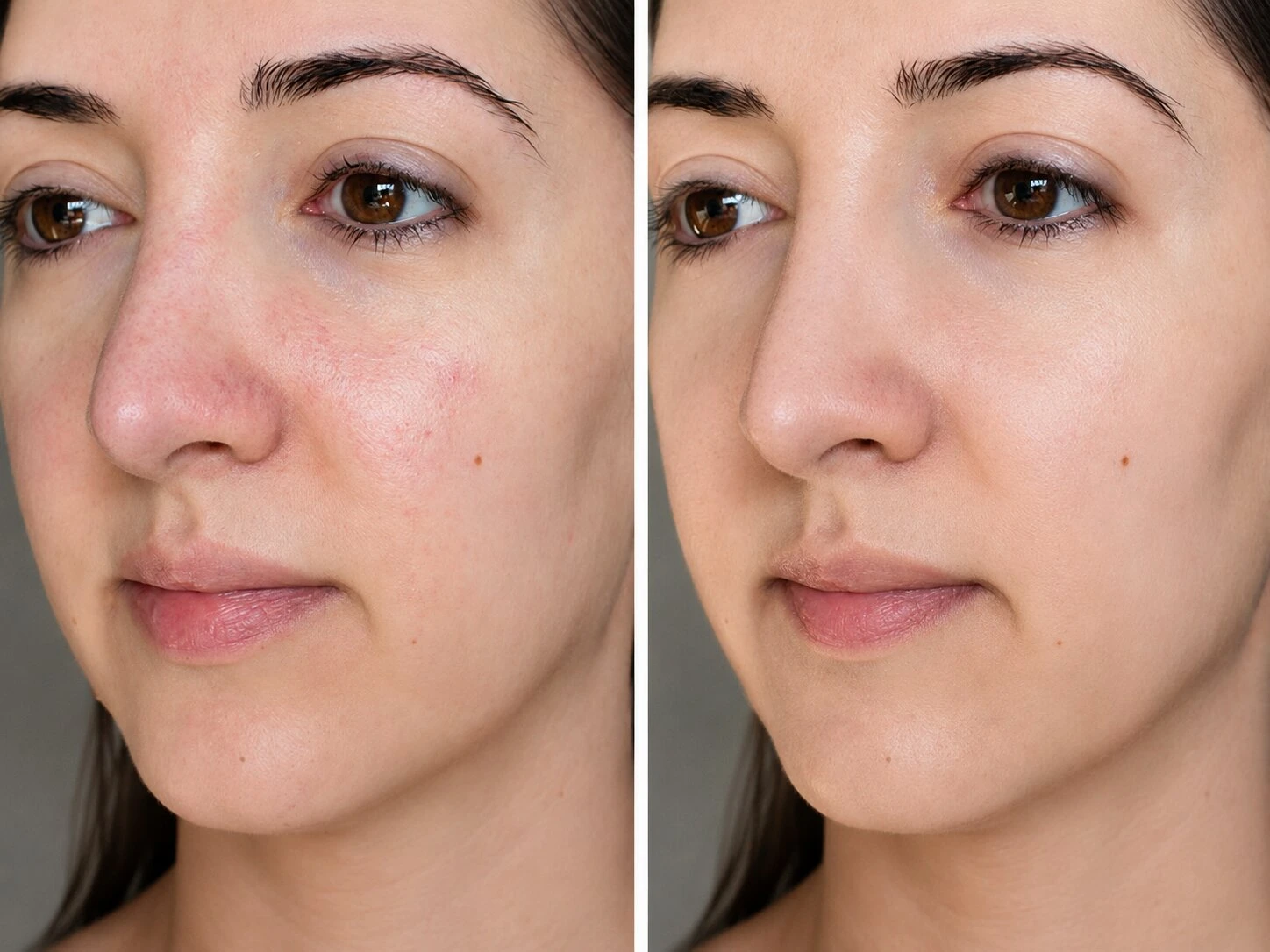
Post-Sunburn Repair Case Study
Skin Condition: After continuous outdoor work in the summer, the patient developed extensive sunburn on the face, neck, and arms. The skin was red, burning, and stinging, accompanied by dryness and peeling.
Product Used: Recombinant Collagen Post-Sunburn Repair Liquid Spray
Usage Procedure: Immediately after sun exposure, cleanse the skin with cool water. Spray the liquid dressing onto the sunburned areas 3-4 times daily, and use a dressing patch at night.
Results: Immediately after spraying, a cooling and soothing sensation was felt, and the burning sensation quickly subsided. On the second day, redness and swelling were significantly reduced. On the third day, peeling improved, and the skin regained its moisture. On the fifth day, the sunburn was basically healed, with no blisters or severe peeling. User Feedback: “Previously, sunburn always caused a lot of peeling, but this time the recovery was fast and complete.”
Product Principle: The liquid dressing is produced using medical-grade injection water, possessing deep hydrating and moisturizing capabilities. It replenishes the skin’s moisture lost after sun exposure, helping to improve dryness and dullness.
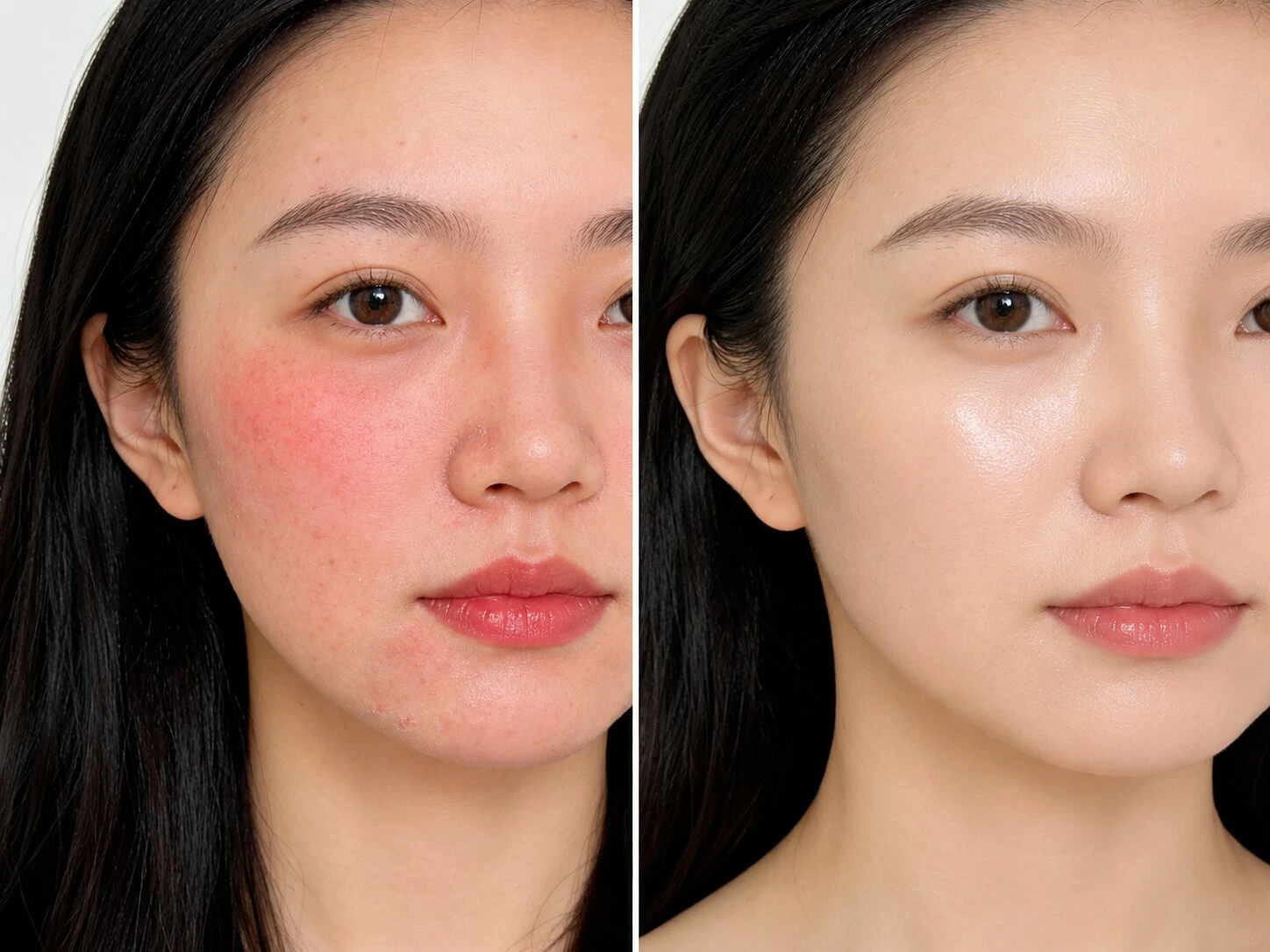
Sensitive Skin Repair Case
Skin Condition: Long-term sensitive skin, experiencing facial redness, stinging, and tightness during seasonal changes or with inappropriate skincare products. Weak skin barrier function, intolerant to most skincare products.
Product Used: Recombinant Human Type III Collagen Repair Cream
Usage: Apply an appropriate amount evenly to the face after cleansing morning and evening, using continuously for 4 weeks. Discontinue other functional skincare products during this period, focusing only on basic cleansing and moisturizing.
Results: Redness and stinging were significantly reduced by day 3; skin tightness disappeared and felt softer by week 1; skin condition stabilized by week 2, no longer easily reddening; skin barrier was significantly strengthened by week 4, gradually gaining tolerance to other gentle skincare products. The user stated, “This is the first product that didn’t sting and truly improved my sensitive skin.”
Product Principle: This product is suitable for the auxiliary repair of sensitive skin or skin with a damaged barrier. Type III collagen helps replenish collagen in the dermis, helping to improve redness, dryness, itching, and stinging. The product has been verified for safety by a third-party organization and is suitable for sensitive skin.
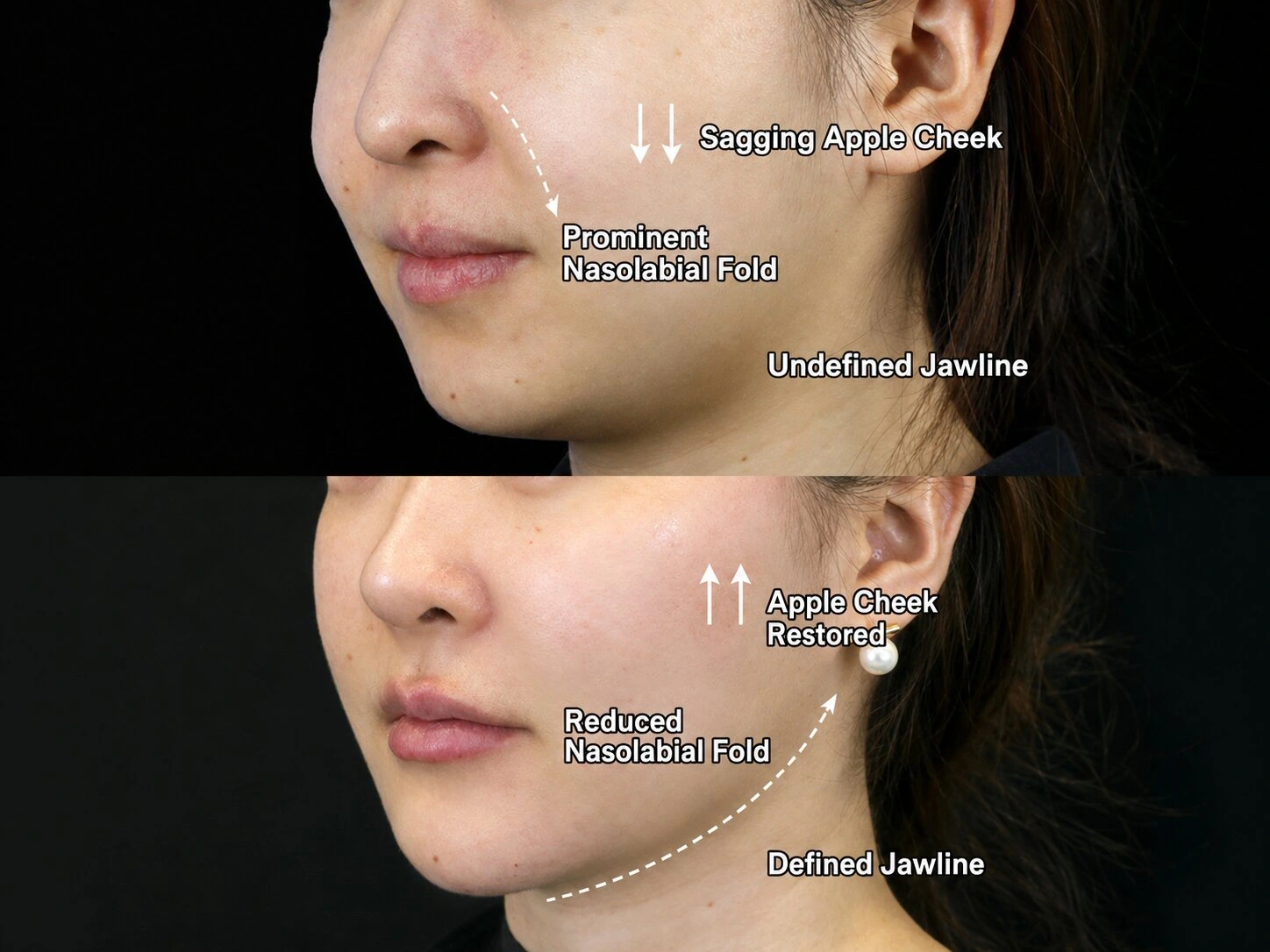
Skin Firming and Anti-Aging Case Study
Skin Condition: Noticeable signs of facial sagging, deepened nasolabial folds, increased fine lines around the eyes, decreased skin elasticity, and less defined facial contours.
Products Used: Recombinant Collagen Peony Essence Repair Series (Mask, Serum, Gel, Cream)
Usage: Used morning and evening with the anti-wrinkle repair serum and cream. Used an anti-wrinkle mask 2-3 times per week, combined with the recombinant collagen gel dressing for targeted treatment. Continued use for 8 weeks.
Results: After 2 weeks, skin felt plumper and more hydrated; after 4 weeks, fine lines were reduced, and skin elasticity improved; after 8 weeks, nasolabial folds were shallower, and facial contours were firmer, showing a dual improvement effect of “internal repair + external anti-wrinkle.” User Feedback: “I can clearly feel that my skin is lifted up, unlike before when it was sagging.”
Product Principle: This series deeply integrates recombinant humanized collagen with peony essence. Type III collagen, also known as “baby collagen,” plays an important role in maintaining skin elasticity and supporting structure. Full-length recombinant humanized type III collagen 1068 can participate in the structural repair of collagen fibers in the dermis, improving skin laxity and wrinkles from the root cause.