
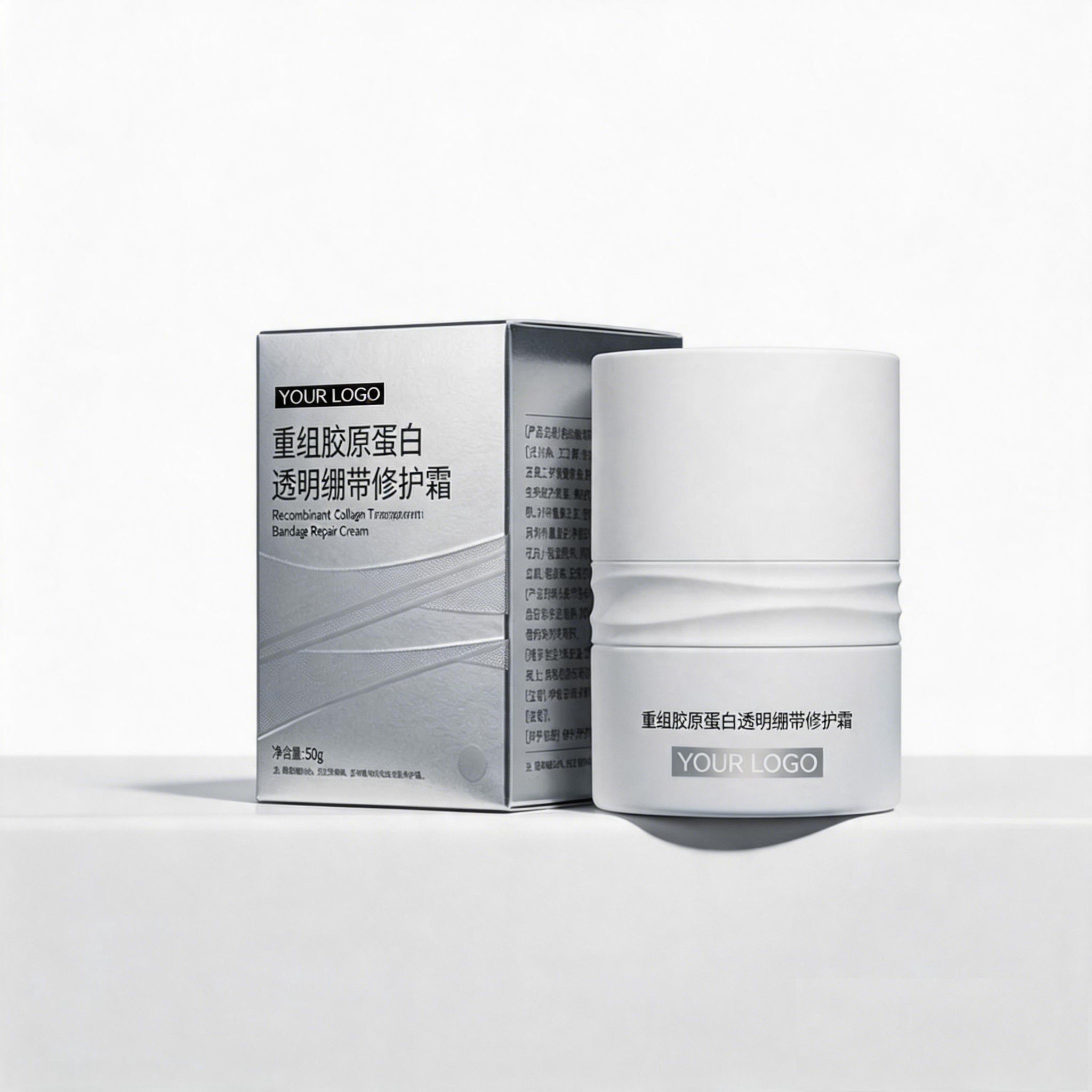
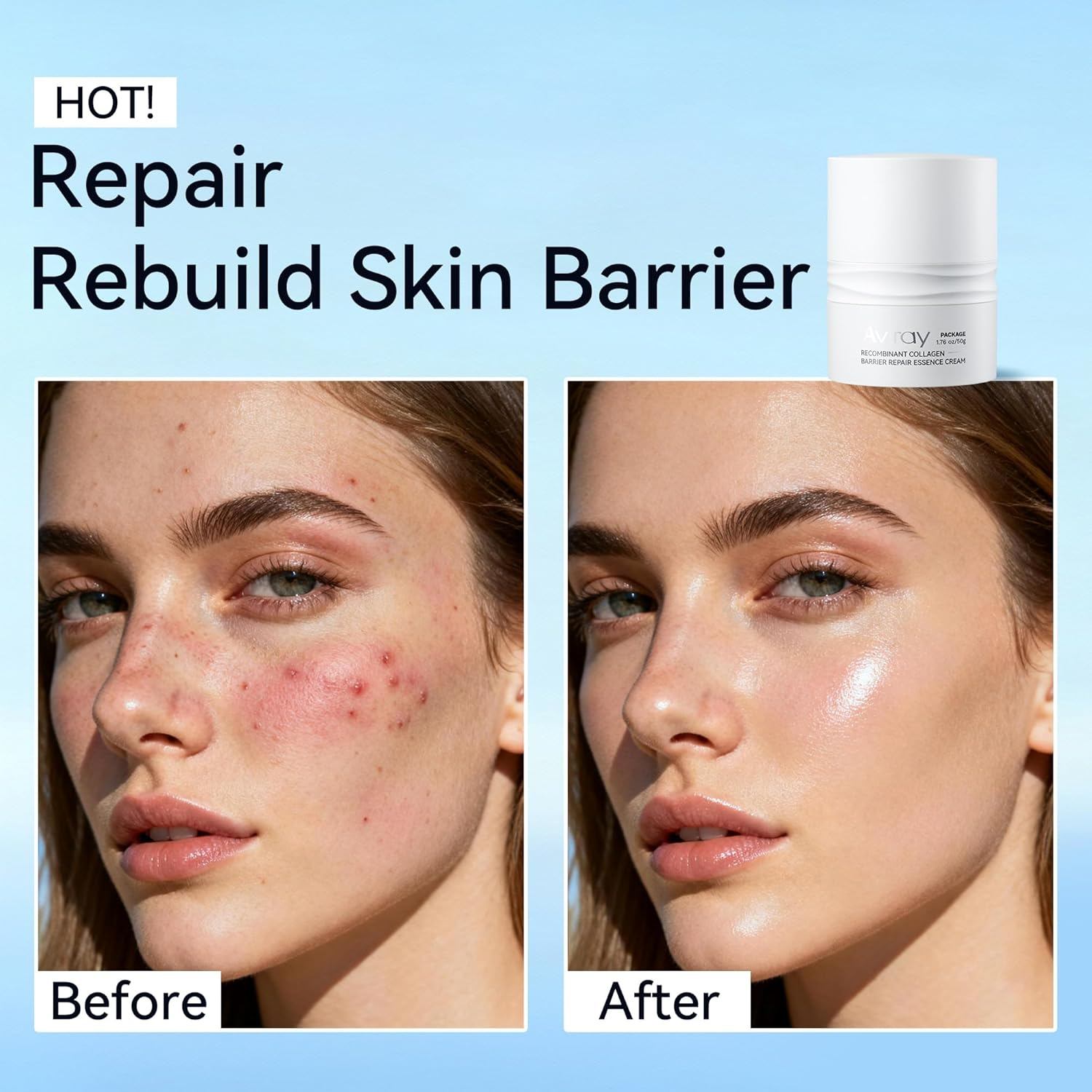
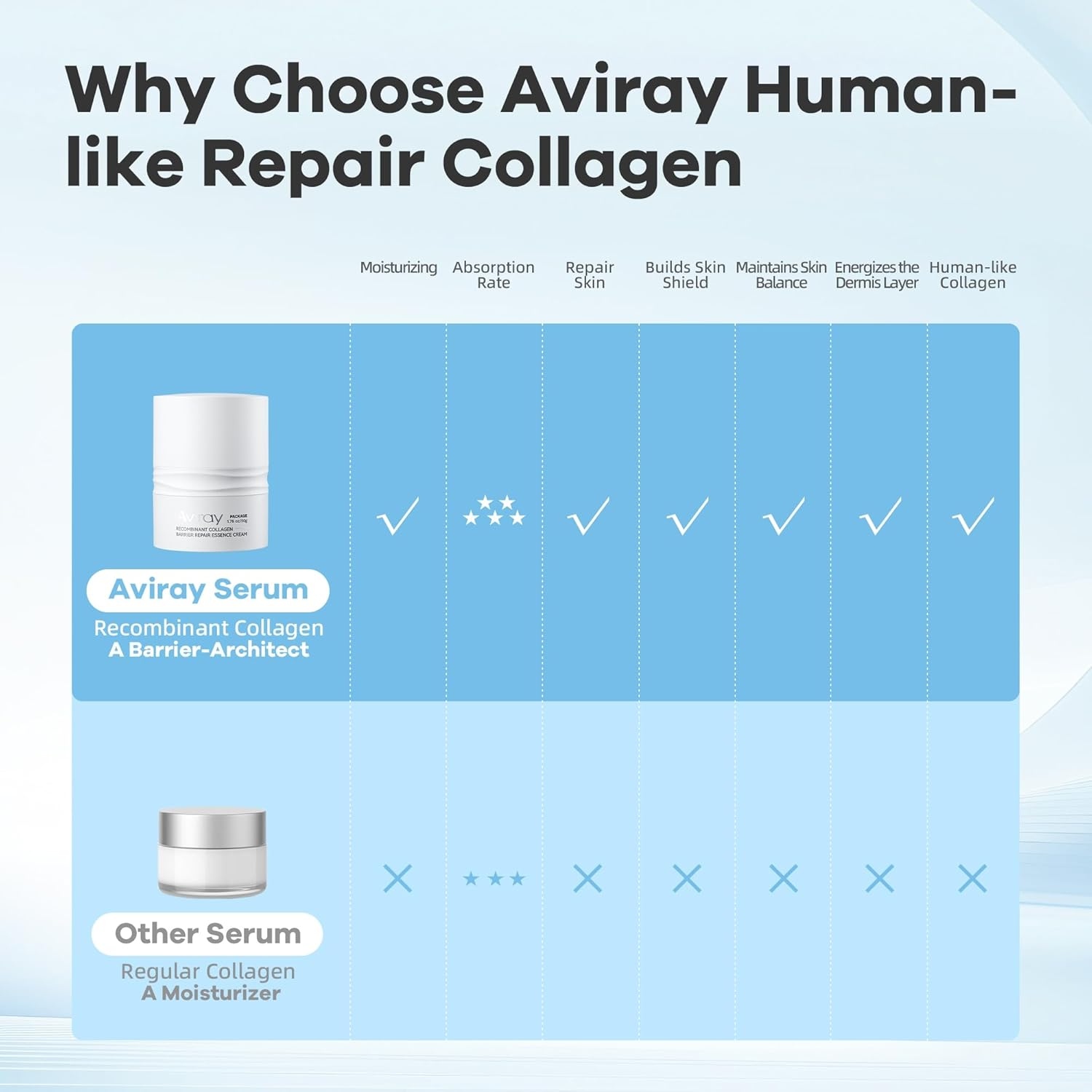
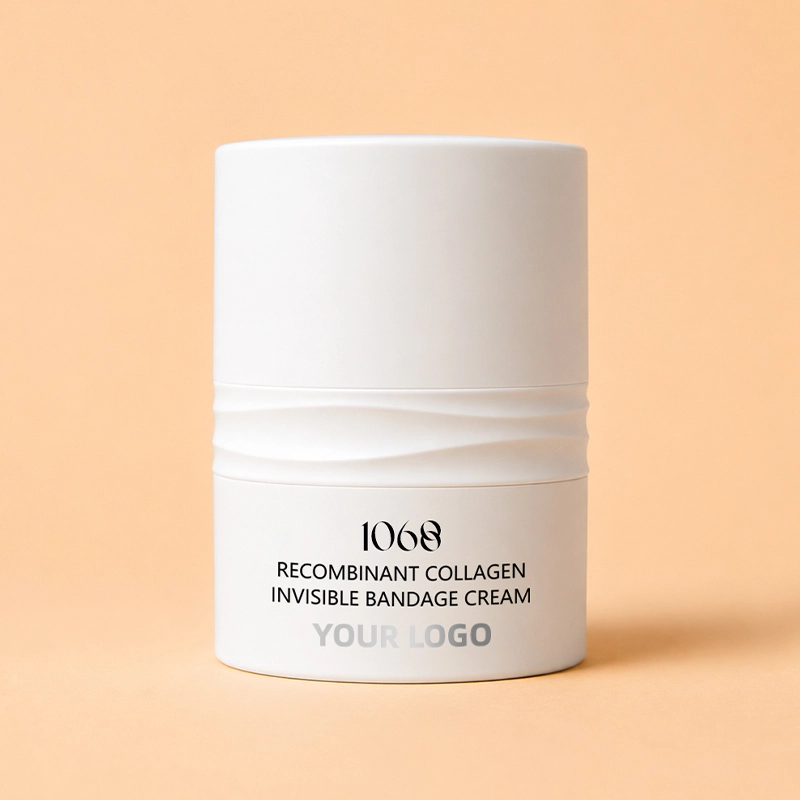
Recombinant Collagen Barrier Repair Cream
This 4-in-1 powerhouse nourishes, repairs, soothes, and hydrates. It dives deep to strengthen your skin barrier and boost its natural resilience.It locks in moisture for the long haul, smoothing out rough patches for all-day hydration.Meanwhile, it calms sensitivity and redness, eases stinging and burning, and speeds up your skin's self-repair for a stronger, more stable barrier.
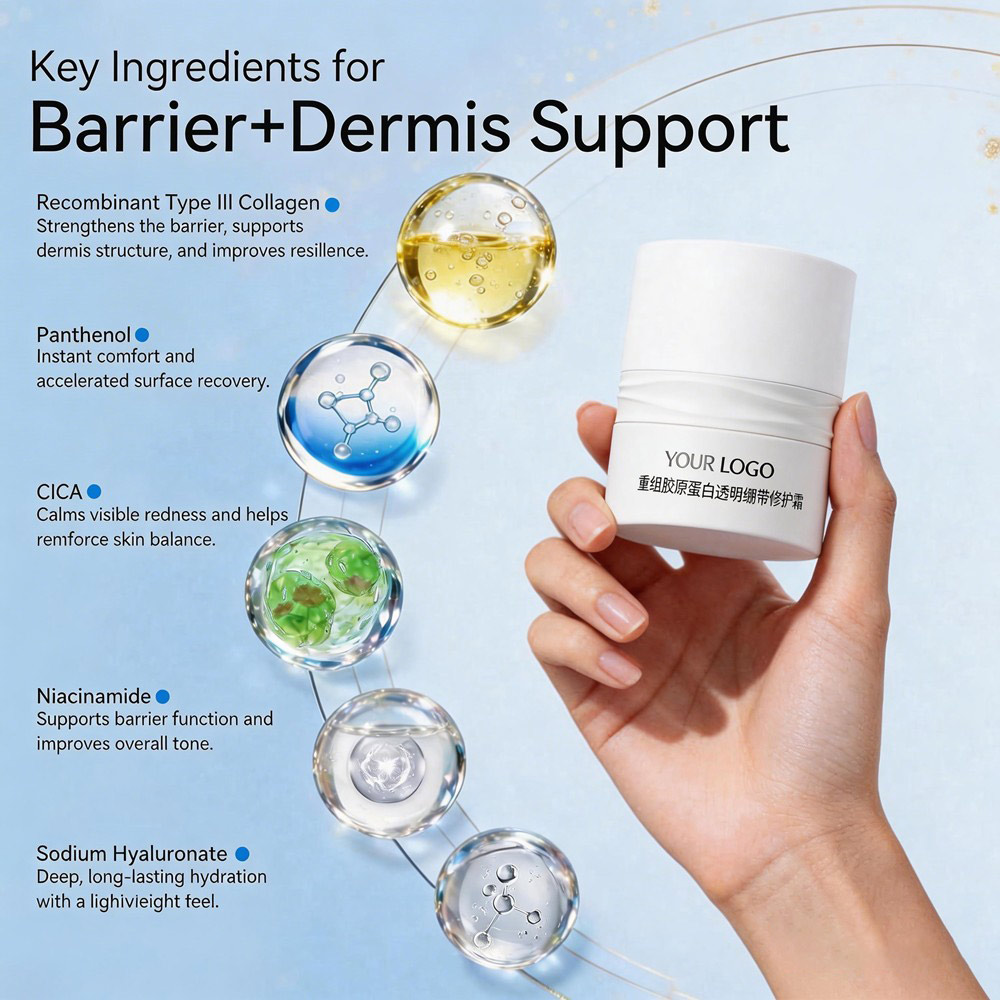
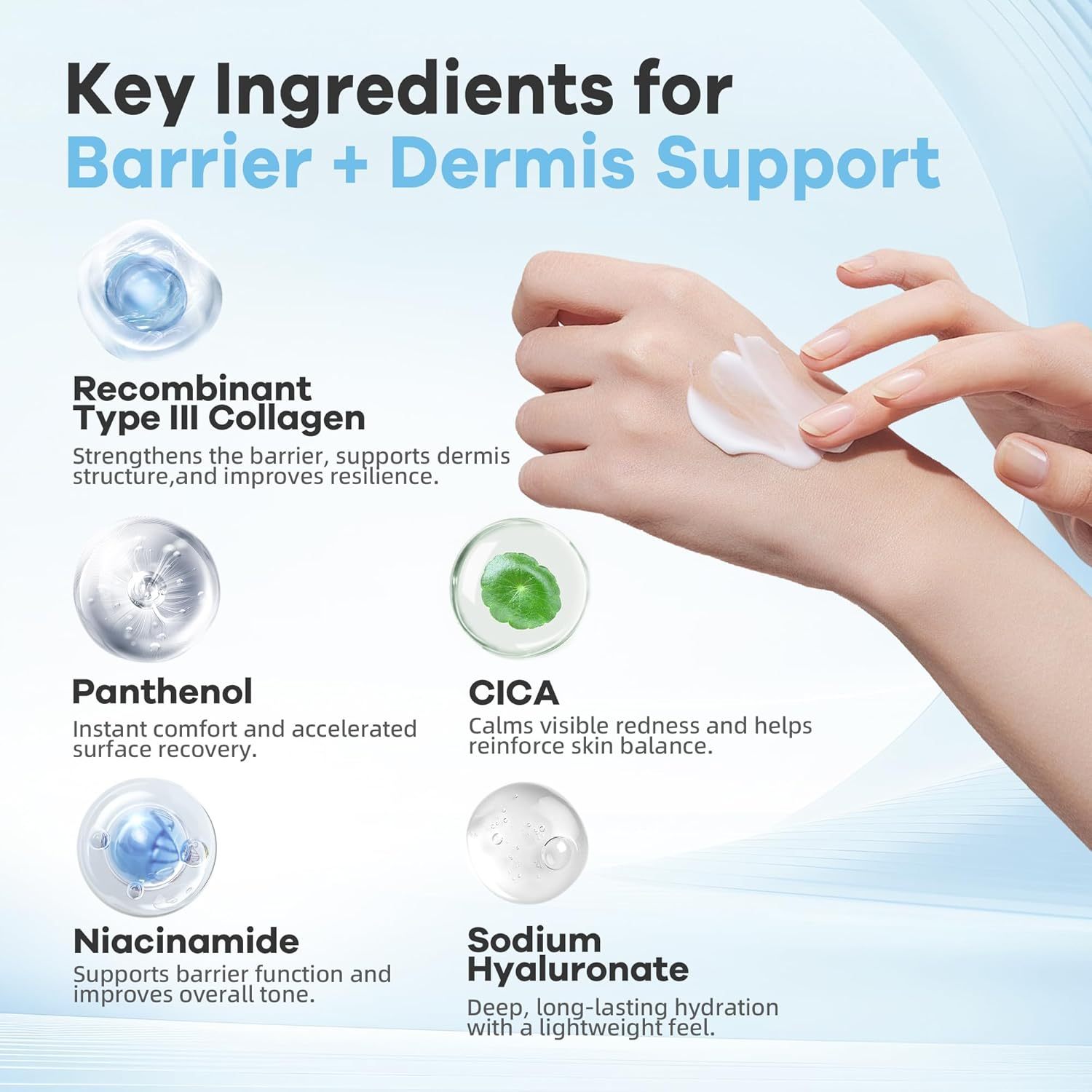
- [Collagen] A 4-in-1 blend of nourishing, repairing, soothing, and hydrating benefits that deeply fortifies the barrier and boosts resilience.
- [Sodium Hyaluronate] Locks in long-lasting moisture, smoothing out dryness and roughness for all-day hydration.
- [Panthenol] Soothes sensitivity and redness, taking the edge off stinging and burning sensations.
- [Centella Asiatica Extract] Accelerates skin recovery for a healthier, more stable barrier.
Product Details
| Product ID | CREAM-H-005 |
|---|---|
| Key Benefits | Nourishing + Repairing + Moisturizing + Soothing |
| Target Audience | women&men skincare |
| Package | 1 box*1.76 oz/50g |
| Shelf life | 3 years |
| MOQ | 50kg |
| Delivery Time | 40-60 days(Once the design draft is finalized) |
Key Ingredients
Aqua, Butylene Glycol, Glycerin, Dimethicone, Squalane, Cyclopentasiloxane, Cetearyl Alcohol, Behenyl Alcohol, Pentylene Glycol, Tocopheryl Acetate, Hydrogenated Lecithin, Arginine, Carbomer, Hexylene Glycol, Hydroxyacetophenone, Panthenol, Collagen, Trehalose, Centella Asiatica Flower/Leaf/Stem Extract, Xanthan Gum, Disodium EDTA, Ethyl Ascorbyl Ether, Niacinamide, Sodium Hyaluronate
Suitable for
For those with dry, sensitive skin; Compromised skin barrier; Prone to recurring redness; In need of all-day nourishment and repair
Product Efficacy Report
- Soothing Nourishing
Test Protocol: This study evaluated 31 male and female subjects with sensitive skin (confirmed by a positive lactic acid sting test score of ≥3) who exhibited a dull, uneven skin texture and facial redness. The analysis included 31 valid subjects, yielding an efficacy rate of 93.94%. By measuring changes—before and after using the test product—in skin hemoglobin (EI value), smoothness (SEsm value), roughness (SEr value), radiance, percentage of red-zone area, redness score, mean erythema value, dermal thickness, blood perfusion, and core temperature, alongside subject self-assessments, the study verified claims regarding the product’s soothing and nourishing properties, cooling effect, ability to improve skin density and thickness, and its gentle, non-irritating nature suitable for sensitive skin.
| Skin transepidermal water loss (TEWL) value | |
| After 14 days | There was a significant difference in the skin hemoglobin EI value; the rate of change in the skin hemoglobin EI value compared to the baseline was -13.42%. |
|---|---|
| After 28 days | There was a significant difference in the skin hemoglobin EI value; the rate of change in the skin hemoglobin EI value compared to the baseline was -14.06%. |
| Blood perfusion volume | |
| After 14 days | There was a significant difference in blood perfusion; the rate of change in blood perfusion compared to the baseline value was -12.53%. |
| After 28 days | There was no significant difference in blood perfusion values; the rate of change in blood perfusion relative to the baseline value was -2.56%. |
| Conclusion | The results indicate that the test samples provide soothing effects after 14 and 28 days of use. |
| Skin smoothness SEsm value | |
| After 14 days | There was a significant difference in the skin smoothness SEsm value, and the rate of change in the SEsm value compared to the baseline was -26.56%. |
| After 28 days | There was a significant difference in the skin smoothness SEsm value, and the rate of change in the SEsm value compared to the baseline was -24.10%. |
| Skin Roughness SEr Value | |
| After 14 days | There was no significant difference in the SEr value of skin roughness; the rate of change in the SEr value compared to the baseline was 5.48%. |
| After 28 days | There was a significant difference in the skin roughness SEr value, and the rate of change in the SEr value compared to the baseline was 21.91%. |
| Skin Radiance | |
| After 14 days | The rate of change in skin glossiness compared to the baseline value is 34.22%. |
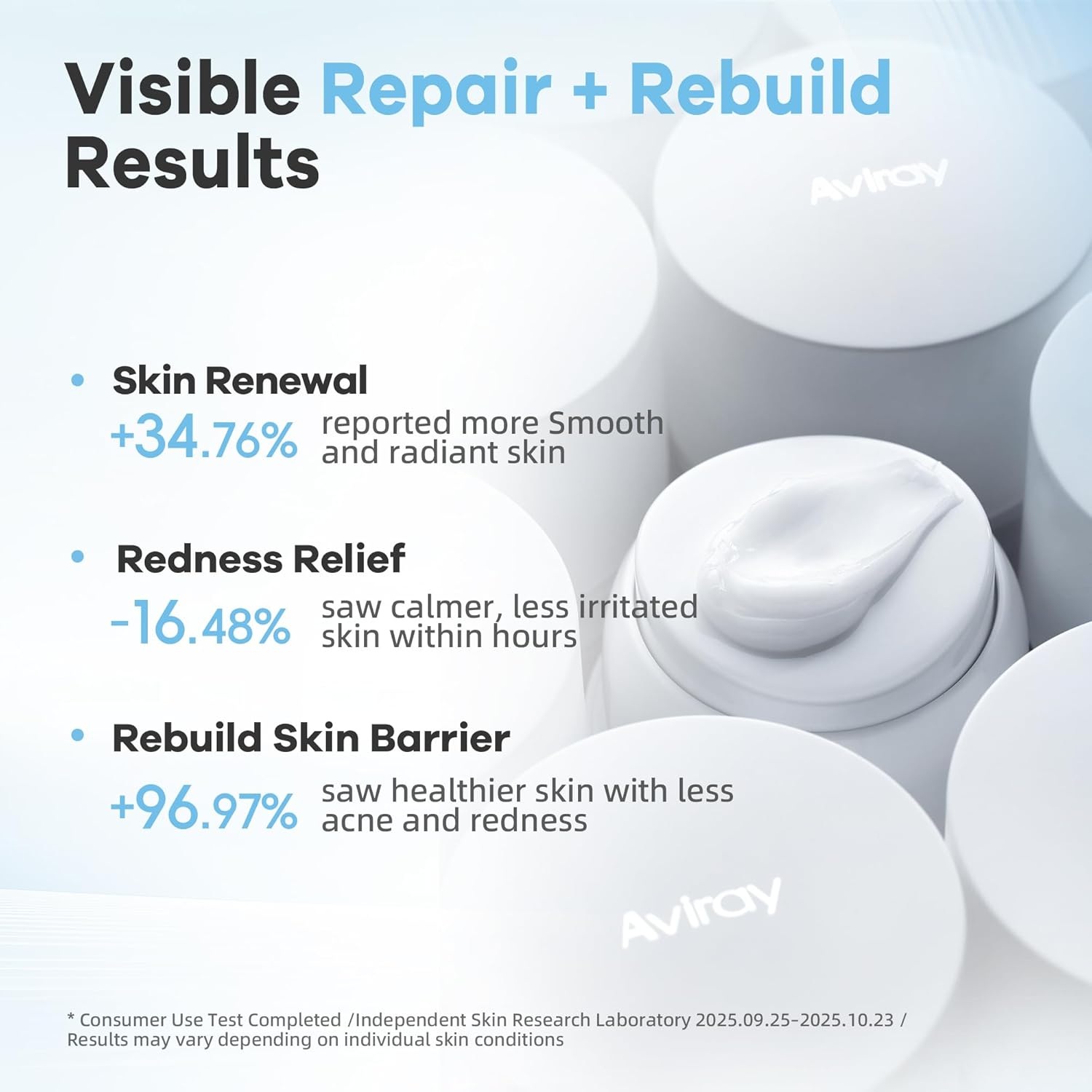
| After 28 days | The rate of change in skin glossiness compared to the baseline value is 34.76%. |
| Conclusion | The results indicate that the test samples provide nourishing benefits after 14 and 28 days of use. |
| Area of the Skin’s Red Zone | |
| After 14 days | The rate of change in the proportion of the red zone area compared to the baseline value is -27.78%. |
| After 28 days | The rate of change in the proportion of the red zone area compared to the baseline value is -30.07%. |
| Conclusion | The results indicate that the test sample reduced redness after 14 and 28 days of use. |
| Redness Score | |
| 10 Minutes Later | The rate of change in the redness score compared to the baseline value is -5.65%. |
| 60 Minutes Later | The rate of change in the redness score compared to the baseline value is -5.46% |
| After 14 days | The rate of change in the redness score compared to the baseline value is -13.64%. |
| After 28 days | The rate of change in the redness score compared to the baseline value is -16.48%. |
| Average Erythema Value | |
| After 14 days | The rate of change of the mean erythema value compared to the baseline value was -16.26%. |
| After 28 days | The rate of change of the mean erythema value compared to the baseline value was 12.10%. |
| Dermal Thickness | |
| After 14 days | The rate of change in dermal thickness compared to the baseline value is 22.63%. |
| After 28 days | The rate of change in dermal thickness compared to the baseline value is 22.77%. |
| Dermal Density | |
| After 14 days | The rate of change in dermal density compared to the baseline value is 33.33%. |
| After 28 days | The rate of change in dermal density compared to the baseline value is 50.00%. |
The basis for determining the validity of the test items involves statistical analysis using statistical software. The test data are subjected to a normality test; if the data follow a normal distribution, a t-test is used for analysis, whereas if they do not, a rank-sum test is employed. The significance level for the statistical methods is set at p < 0.05, indicating statistical significance within a 95% confidence interval.
- Repair
Test Protocol: This test evaluated the repair efficacy claims of the submitted sample by measuring specific parameters in 30 healthy Asian (Chinese) subjects (male and female) before and after product application. The study included 30 valid subjects, achieving a 100% validity rate.
| Skin transepidermal water loss (TEWL) value | |
| 2 Hours Later | Among the 30 subjects, the rate of change in transepidermal water loss (TEWL) in the treated skin areas was -31.48%, while that in the control areas was -23.03%; a significant difference was observed between the two groups. |
|---|---|
| 4 Hours Later | Among the 30 subjects, the rate of change in transepidermal water loss (TEWL) for the skin in the test area was -35.80%, while that for the control area was -24.34%; a significant difference was observed between the two groups. |
| Conclusion | The results indicate that the test samples exhibit repair efficacy after 2 and 4 hours of use. |
| Skin Hemoglobin EI Value | |
| 2 Hours Later | The rate of change in the skin hemoglobin EI value in the test area for the 30 subjects was -23.22%, while that in the control area was -12.26%; there was no significant difference between the two groups. |
| 4 Hours Later | The rate of change in the skin hemoglobin EI value in the test area for the 30 subjects was -25.84%, while that in the control area was -16.09%; there was no significant difference between the two groups. |
Statistical analysis was performed using SPSS 26.0. Test data were subjected to a normality test; data following a normal distribution were analyzed using the t-test, while non-normally distributed data were analyzed using the rank-sum test. A significance level of p < 0.05 was adopted, indicating statistical significance within a 95% confidence interval.
Regarding the correlation between the test parameter and the efficacy claim, “repair” refers to the maintenance of the treated area in a normal state; therefore, the repair efficacy of the sample can be evaluated by measuring improvements in Transepidermal Water Loss (TEWL), stratum corneum hydration, or the hemoglobin Erythema Index (EI) before and after product application.
Stratum corneum hydration was measured using the internationally recognized capacitance method, which assesses changes in skin capacitance to determine if stratum corneum hydration has increased; higher measured values indicate higher hydration levels in the stratum corneum following sample application. TEWL serves as an indicator of skin barrier function; a lower TEWL value signifies reduced transepidermal water loss and superior barrier function. A lower hemoglobin EI value indicates a lower hemoglobin content in the skin. The sample is considered to possess repair efficacy if, following application, there is a significant decrease in TEWL and a significant increase in stratum corneum hydration, or a significant decrease in the hemoglobin EI value.
- Moisturization
Test Objective: This test establishes an *in vitro* protocol to evaluate the moisturizing efficacy of cosmetics and raw materials by measuring their water-retention capabilities in a dry environment.
*In Vitro* Moisturizing Efficacy Evaluation: Three replicates were set up for each test group. Negative and positive control groups were included alongside the test groups; glycerin was used for the positive control, and purified water for the negative control. The procedure was identical for all groups: A clean, dry, stoppered glass weighing bottle was placed in a desiccator (maintained at 25°C ± 1°C with indicating silica gel desiccant at the bottom) the day before the test, and its weight (m0) was accurately recorded. At room temperature, 1 mL of nutrient agar was pipetted into the weighing bottle; after solidification, 200 μL of the test sample was added, and the total mass (m1) was accurately recorded. The bottles were then placed in the desiccator containing the desiccant for a total duration of t = 8 hours. For both the sample and control groups, the weighing bottles were removed from the desiccator at 2, 4, 6, and 8 hours; the stoppers were secured, and the weight (mt) was accurately recorded.
Moisturizing performance was evaluated based on the percentage of weight loss due to drying.
Test Conclusion: Under the specified test conditions, the results showed that the percentage weight loss for the sample group at 2, 4, 6, and 8 hours was lower than that of the negative control group, indicating that the sample possesses moisturizing properties.
- Gentle (Non-irritating),Suitable for sensitive skin
Test Protocol: This test involved 31 male and female subjects with sensitive skin (confirmed by a positive lactic acid sting test score of ≥3) who exhibited skin dullness, uneven texture, and facial redness upon visual assessment. There were 31 valid subjects, resulting in an efficacy rate of 93.94%. A questionnaire survey was used to evaluate claims regarding the product’s soothing properties, gentleness (non-irritating nature), and suitability for sensitive skin.
Based on evaluations by all subjects (N=31) after 28 days of continuous use, the subjects acknowledged the product’s soothing efficacy. Under the test conditions—involving 31 subjects aged 25–59 with sensitive skin using the product twice daily for 28 consecutive days—no adverse reactions were observed. These results support claims that the product is gentle, non-irritating, and suitable for sensitive skin.
Basis for determining efficacy: Statistical analysis was performed using the binomial distribution method via statistical software. The expected agreement value was set at 60%, and a 95% confidence interval was used to test the statistical significance of the survey questions. A significance level of p<0.05 indicates a statistically significant difference.
Correlation between the test item and efficacy claims: Soothing properties help alleviate conditions such as skin irritation. This test evaluated the product’s soothing efficacy based on improvements reported in response to relevant questions.
Gentle and non-irritating: Since cosmetics can potentially cause skin irritation, a product is deemed gentle and non-irritating if a human use test involving at least 30 subjects results in no adverse reactions throughout the entire usage period.
Suitable for sensitive skin: Individuals with sensitive skin often have a hyper-reactive skin state and are prone to irritation; therefore, not all cosmetics are suitable for this demographic. A product is deemed suitable for sensitive skin if a human use test involving at least 30 subjects with sensitive skin results in no adverse reactions throughout the entire usage period.

Molecular
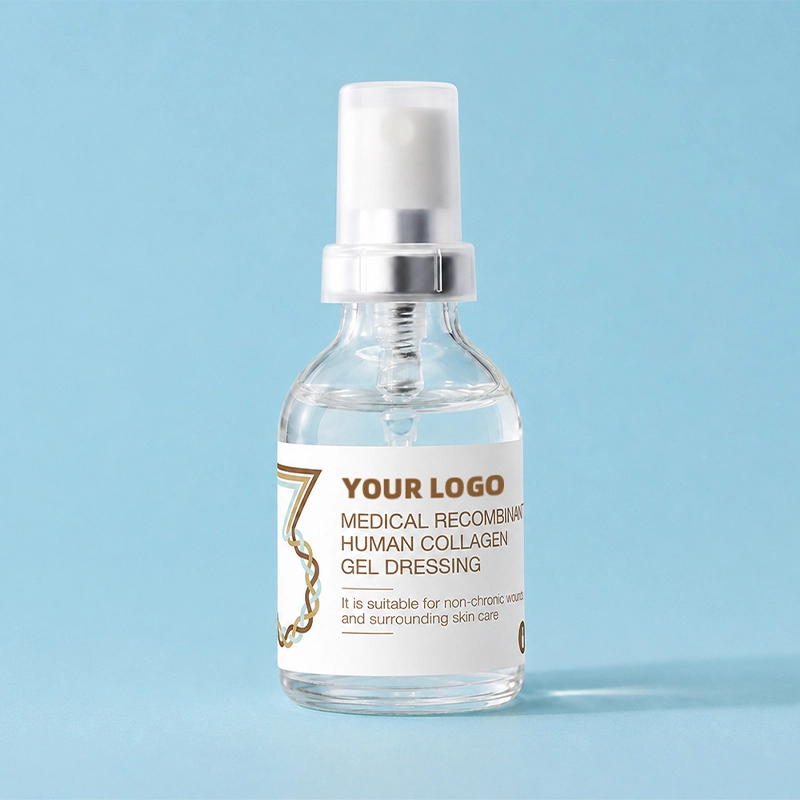
Recombinant Human Type III Collagen establishes a protective barrier to support physical restoration without causing cutaneous irritation. Free from corticosteroids and synthetic pharmaceuticals, it is especially suitable for special populations, including pregnant women and infants with dermatitis or eczema.
By forming a protective film over damaged areas, it isolates external bacteria, prevents moisture loss, and creates a moist healing environment for the wound surface. This helps stabilize the skin’s condition effectively. Featuring macromolecular weight collagen, it delivers excellent film-forming properties.
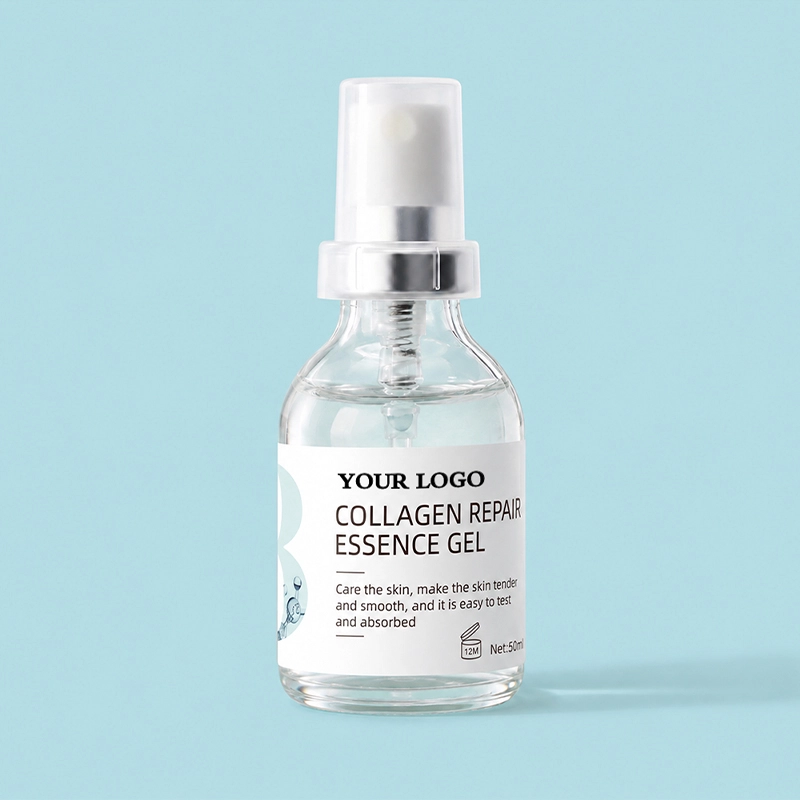
This lightweight collagen repair gel serum is designed to support skin recovery while delivering long-lasting hydration and barrier protection. Powered by recombinant human type III collagen, it helps soothe visible redness, dryness, tightness, and post-treatment discomfort while reinforcing the skin's natural barrier function.
The fast-absorbing gel texture provides an immediate burst of hydration without leaving a sticky or heavy residue. At the same time, it forms a breathable moisture-retention layer on the skin surface to help lock in hydration and support overall skin resilience, leaving the skin feeling calm, comfortable, and visibly healthier.
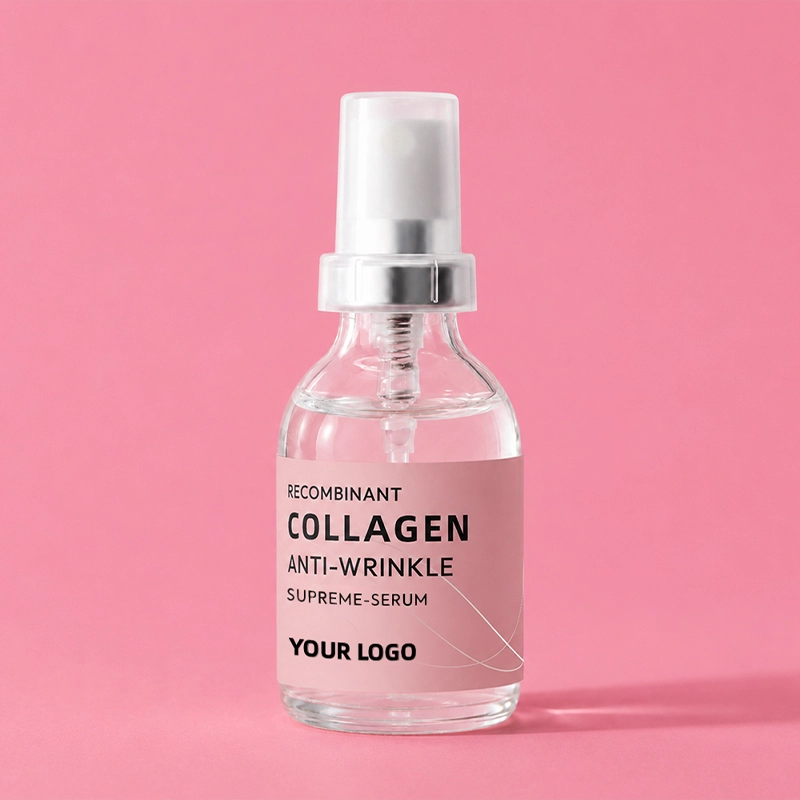
The luxurious Collagen Anti - Wrinkle Supreme+ serum, derived from precious skin essence, revitalizes skin's radiance. As we age, skin loses nutrients and collagen, becoming dry with fine lines and losing elasticity. This serum, when gently applied, deeply hydrates and offers rich nourishment. It directly replenishes collagen to boost elasticity and reduce fine lines. Ingredients like sodium hyaluronate, trehalose, and xanthan gum hydrate and reduce fine lines. Day by day, skin becomes fuller, firmer, and glows with youth.
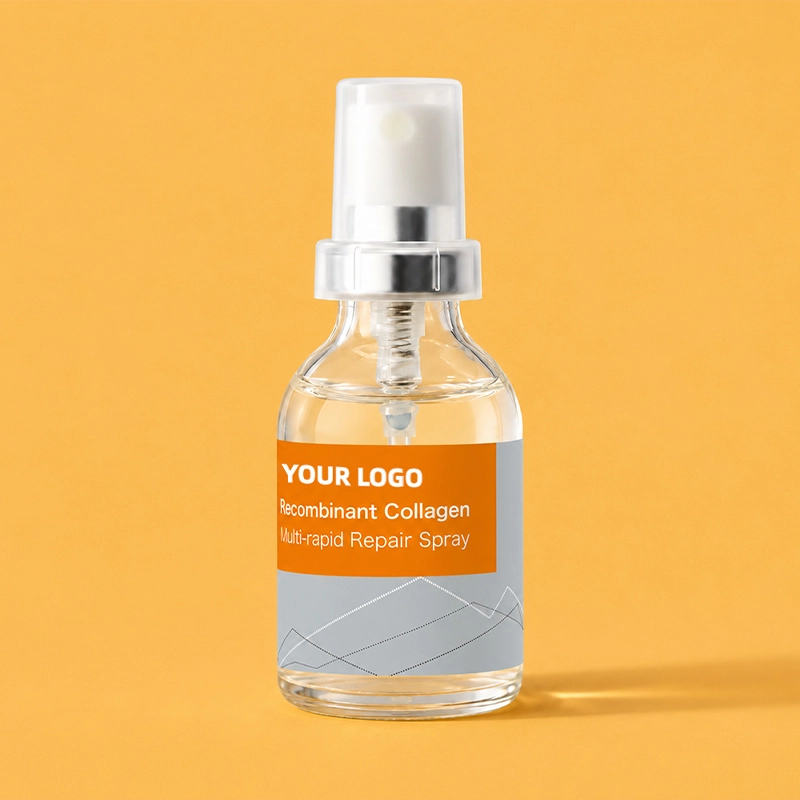
D-Nutrimec collagen Multi-recovery Serum are clinically proven to repair Skin barrier and improve the appearance of wrinkles, discolouration, firmness, and more. These concentrated anti-wrinkle serum options are designed to help prevent and correct signs of ageing.
Developed through genetic engineering and synthetic biology innovations, our clinically proven formula reduces wrinkles by 23.5% in 28 days at 0.2% concentration, validated by rigorous safety and efficacy testing.
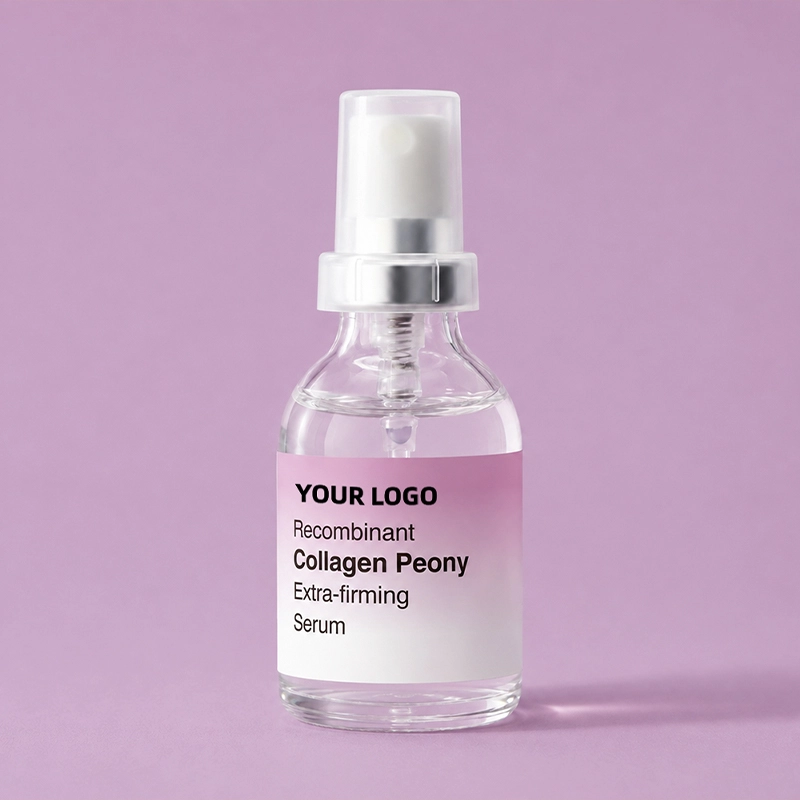
The peony extra-firming serum works night and day to help replenish collagen lost in the skin and delay skin aging. At night, combining the antioxidant power of peony extract with the structural repair ability of Recombinant Human Type lll Collagen,it helps support skin’s visible renewal and firming. Hyaluronic Acid helps lock in moisture. By day, this serum with an helps defend skin against visible effects of free radical damage from environmental sources like pollution.
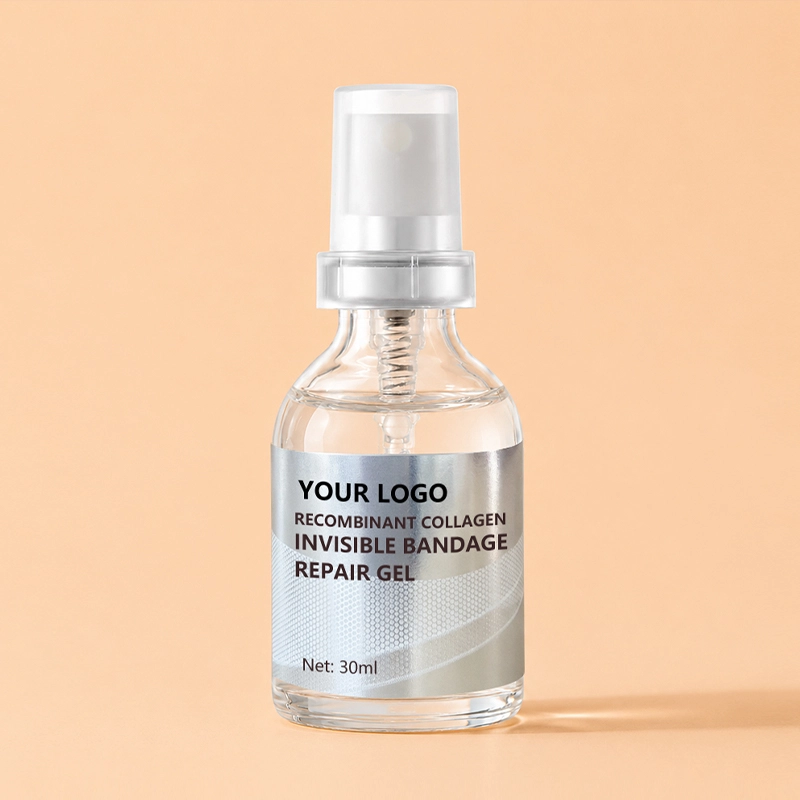
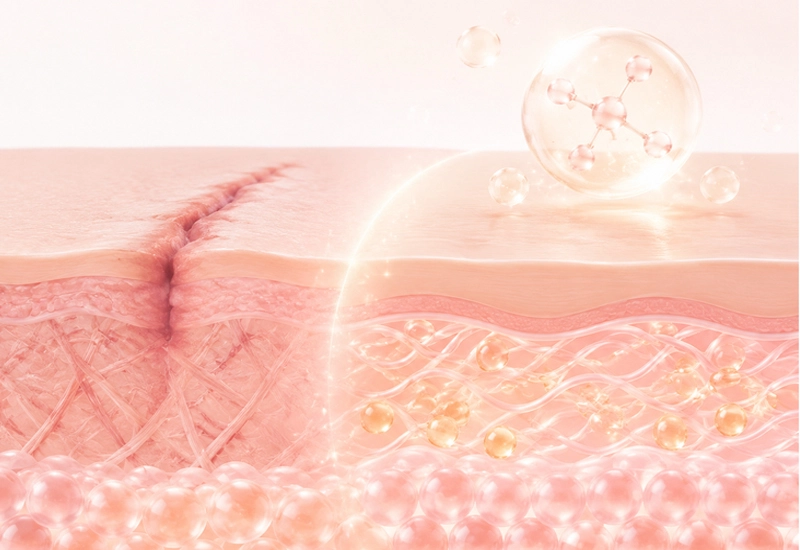
Once applied, it melts into an invisible shield, wrapping your skin like a "liquid bandage" to block out daily irritants.It delivers an instant, deep burst of hydration, melting away dryness, tightness, and that uncomfortable burning feeling.It also hits the fast-forward button on healing—fading acne marks, calming redness, and soothing stinging heat, all while locking in moisture for hours.
Call Us
+86 15810275256
HIGH-PERFORMANCE SKINCARE SOLUTIONS
RECOMBINANT HUMAN TYPE III COLLAGEN
Powered by recombinant human Type III collagen, we provide professional skincare solutions for skin repair, barrier care, anti-aging and customized OEM/ODM development.
- Aseptic packaging
- Medical Grade Daily Skin Care
- Premium skincare formulas
News
News
14
7 月
In the post-surgery recovery stage of medical beauty, why is it recommended to pay attention to fragrances and preservatives in skincare products?
After undergoing aesthetic medical procedures such as photon therapy, matrix RF, hydra-facial, and minimally invasive treatments, the skin’s barrier will be temporarily compromised, exposing the epidermal nerves and making the skin highly sensitive and fragile. If normal daily skincare products are used, it can easily lead to burning sensations, redness, and dryness, prolonging the recovery period of the skin.
This article explains the need to avoid fragrances and ordinary preservatives in post-operative care based on skin condition and the principles of ingredient stimulation.
The differences between post-aesthetic medical skin and healthy skin are significant.
Healthy skin possesses a complete barrier formed by keratinocytes, intercellular lipids, and the sebum film, which can block most small irritating molecules from penetrating the dermis.
However, aesthetic medical procedures such as phototherapy, microneedling, and chemical peels can damage the structure of the stratum corneum:
– Keratinocytes become loose, and intercellular gaps widen;
– The surface sebum film is damaged, reducing moisture retention;
– Superficial nerves in the dermis become more susceptible to stimulation;
– The activity of skin inflammatory cells increases, leading to discomfort from minor external irritations.
In simple terms, post-operative skin lacks a protective buffering layer, making it easy for external substances to reach the dermis directly, significantly increasing the risk of irritation.
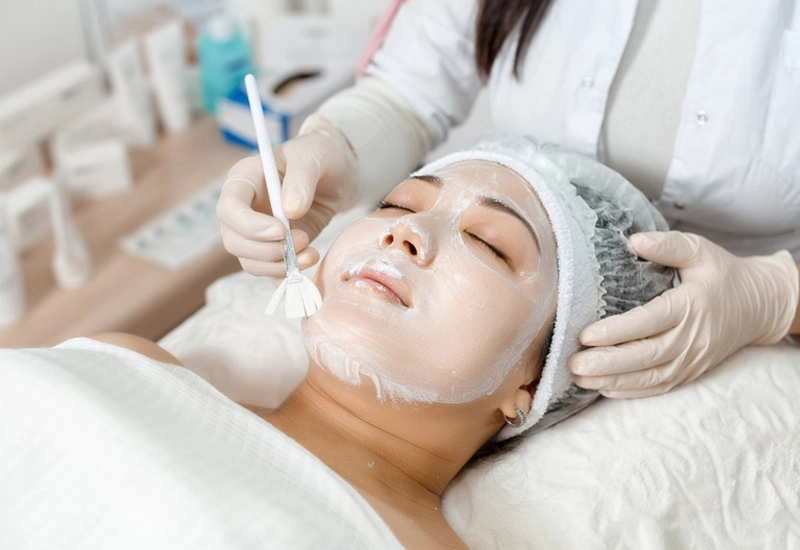
Comparison of healthy barrier and the damaged barrier structure after aesthetic procedures.
Fragrance is a major potential irritant for post-operative skin.
1. Irritation Mechanism
Fragrances in skincare products are divided into synthetic fragrances and essential oils. Among them, aldehydes and phenolic compounds have small molecular sizes and strong permeability. Healthy skin barriers can block most fragrances, with only a few sensitive skin types experiencing discomfort; however, damaged skin cannot block fragrances, which can penetrate directly through the stratum corneum, prompting immune cells to release inflammatory mediators, exacerbating redness, warmth, and itching. Clinically, the probability of fragrance-induced contact dermatitis significantly increases when the barrier is damaged.
2. Components to Avoid
Ingredients labeled as “fragrance” or “aroma,” or various plant essential oils such as rose and citrus, are considered fragrance additives. Even if labeled as naturally extracted, there is still a risk of irritation during the post-operative healing phase, so it is advisable to avoid them as much as possible.
3. Adverse Effects
Short-term use can easily lead to stinging and facial redness and burning; prolonged exposure to irritation can delay skin healing and also increase the likelihood of post-inflammatory hyperpigmentation.
Illustration of fragrance irritation on skin.
The compliance of preservatives does not mean they are suitable for damaged wounds; scenarios must be differentiated.
1. Normal function of preservatives
Preservatives that comply with national cosmetics safety regulations have lower irritation under normal use on healthy skin and compliant concentrations. Their main role is to inhibit microorganisms within the bottle, ensuring that skincare products do not spoil easily after opening.
2. Reasons for caution with damaged skin post-surgery
First, nerve stimulation: Most low-molecular-weight preservatives can penetrate damaged keratin and contact dermal nerves, causing stinging and itching, which hinders the self-repair of keratinocytes.
Second, risk of wound infection: Microneedling and broken skin procedures can create tiny wounds. Ordinary cosmetics typically come in re-openable packaging; preservatives can only inhibit bacteria inside the bottle, unable to isolate external pathogens introduced during use, which can worsen wound discomfort.
Third, delayed self-healing: Skin repair requires a gentle and stable environment. Prolonged exposure to preservatives can lead to low-grade inflammation, slowing down keratin regeneration and extending the recovery time for dryness and redness.
3. Advantages of medical dressings with preservatives
Registered Class II medical repair dressings use independent disposable sterile packaging, produced to high cleanliness standards. They can be used once without the addition of traditional preservatives, minimizing microbial irritation and making them suitable for short-term wound care.
Possible skin discomforts:
– Immediate reactions: persistent stinging, facial warmth, widespread redness;
– Short-term symptoms: recurrent dryness and itching, peeling, tightness that is hard to relieve;
– Recovery period issues: slow resolution of inflammation, dull skin tone, increased risk of pigmentation;
– Skin lesions: redness and swelling at the site of micro-injury, intensified discomfort.
If any of the above occur, discontinue use of the product immediately, reduce external irritants, and consult a dermatologist promptly.
Three Key Selection Criteria for Postoperative Repair Products
1. Simplified Formulation with Minimal Additives
Prioritize products that focus on core ingredients for repair and hydration, avoiding irrelevant additives such as fragrances and colorants to reduce the burden on the skin.
2. Differentiate Cosmetic Products from Medical Dressings Based on Wound Type
For intact skin with no damage: compliant cosmetic skincare products can be used normally.
After procedures involving light therapy, microneedling, or skin tearing (where wounds and barrier damage are present): follow the doctor’s advice to use Class II medical dressings. The sterilization standards for cosmetic products are lower than those for medical devices and are not recommended for fresh wounds.
3. Prefer Individually Sterile Packaging
Large-capacity bottles that are repeatedly opened can breed bacteria despite the presence of preservatives; individually sealed sterile packaging is more suitable for fragile post-surgical skin.
Under a complete skin barrier, the fragrances and preservatives in regular skincare products typically do not cause significant irritation. However, skin that has undergone cosmetic procedures often has open wounds and compromised stratum corneum, greatly reducing its protective ability: fragrances can easily trigger allergic inflammation, and ordinary preservatives may continuously irritate the wound and interfere with skin self-healing.
The core of postoperative repair is to create a low-irritation, clean, and gentle repair environment for the skin, minimizing interference from excessive additives to allow normal repair and regeneration of the stratum corneum and dermal tissue.
*Note: This article is for educational purposes regarding skincare ingredients and does not substitute for professional medical advice. Please follow the guidance of the operating physician for specific postoperative care; read the product instructions for medical dressings or purchase and use them under medical supervision.
14
7 月
From Wound to Scar: What Factors Are at Play in the Skin Healing Process?
In life, it’s inevitable to have some small accidents—like cutting yourself while chopping vegetables, falling off a bike, or popping a pimple… After the wound heals, many people wonder: why do some recover smoothly while others are left with noticeable marks?
To answer this question, we need to start from the moment the wound forms, delving into the deeper layers of the skin to explore the repair process involving fibroblasts, the extracellular matrix (ECM), and the inflammatory response.
Four Stages of Skin Repair: A Precise Relay
After skin injury, the stages of hemostasis, inflammation, repair, and remodeling unfold in sequence.
Step 1: Hemostasis – A few minutes after the injury, platelets gather and release signaling molecules that activate the clotting response, converting fibrinogen into fibrin to form a temporary “scaffold” that prevents blood loss and provides a landing point for subsequent cell migration.
Step 2: Inflammation – About 2 hours later, neutrophils and macrophages arrive to clear bacteria and debris, releasing signaling molecules. Inflammation needs to be moderate; excessive or prolonged inflammation can lead to more pronounced scarring.
Step 3: Repair – Fibroblasts are activated and differentiate into myofibroblasts, secreting large amounts of collagen (types I and III) and ECM proteins while also contracting the edges of the wound. New capillaries grow in, forming granulation tissue.
Step 4: Remodeling – This stage can last from several weeks to months. Myofibroblasts secrete enzymes to organize the collagen, degrading the excess while retaining the orderly arrangement, ultimately leading to cross-linking and stabilization. The appearance of the healed area is essentially determined at this stage.
Adult vs. Fetus: Why Do Fetal Healing Scars Appear Lighter?
When injured similarly, fetal skin heals with lighter scars, while adults are more likely to leave marks. Research reveals several key differences:
1. ECM Hardness
The extracellular matrix (ECM) in fetuses is softer than in adults, allowing fibroblasts to remain “calm” and be less prone to excessive activation. The harder ECM in adults makes cells more sensitive to mechanical stress, leading to increased collagen secretion, which may result in excessive deposition.
2. Different Ratios of TGF-β Subtypes
There are three subtypes of TGF-β (Transforming Growth Factor-β): TGF-β1 and TGF-β2 promote fibroblast activation and are involved in fibrosis; TGF-β3 tends to inhibit excessive activation and promotes healing that is closer to normal skin. Fetal wounds have higher expression of TGF-β3, while adults predominantly express TGF-β1 and TGF-β2. This difference in ratios affects the quality of healing.
3. Different Polarization States of Macrophages
Macrophages exist in two states: pro-inflammatory (M1) which release inflammatory factors, and anti-inflammatory/repair (M2) which release anti-inflammatory factors and participate in repair. Fetal wounds are primarily M2, while adults have a dominant M1 response initially, which lasts longer, continuously stimulating fibroblasts and potentially leading to excessive collagen deposition.
Molecular mechanisms of scar formation
Fibroblasts → Myofibroblasts
Myofibroblasts are key executors of scar formation, expressing α-SMA which provides contractile ability, and secreting a large amount of collagen. Upon activation, the stiffer ECM promotes further differentiation of fibroblasts, making the ECM even harder, creating a positive feedback loop.
Integrins – the “mechanical sensors” of cells
Integrins are transmembrane receptors on the surface of fibroblasts that convert physical signals from the ECM into intracellular signals. Different integrins have different functions: αvβ6 activates TGF-β to promote fibrosis, α5β1 maintains homeostasis, and α1β1 binds to type III collagen, corresponding to the phenomenon of scar-free healing in fetuses.
Collagen: An Important Component of Skin Structure
Collagen accounts for more than 75% of the dry weight of the skin. Type I collagen provides strength and is the main type found in adult skin; type III collagen is finer and softer, and is present in higher amounts in fetal and young tissues.
When the ratio of type III to type I is higher, the healed tissue is closer to the elasticity of normal tissue; when there is excessive deposition and disorganization of type I collagen, it is more prone to forming visible scars.
Scientific Skincare: General Principles Supporting the Skin’s Self-Repair
Based on the aforementioned mechanisms, daily care can refer to the following points:
1. Maintain appropriate hydration and softness of the skin—When the barrier is intact and adequately hydrated, the ECM environment is closer to a “soft” state, which is beneficial for fibroblast homeostasis.
2. Focus on collagen metabolism balance—The skin continuously synthesizes and degrades collagen. As mentioned earlier, the proportion of type III collagen has a direct impact on the quality of healing; thus, supplementing type III collagen in skincare helps provide more balanced collagen support for the skin.
3. Reduce excessive external stimuli—Factors such as ultraviolet rays, improper skincare, and mechanical friction may exacerbate local inflammation and affect the repair rhythm.
4. Choose gentle and reasonable skincare methods—Use products with mild formulations, avoid excessive exfoliation and aggressive squeezing, and allow the skin sufficient time for self-repair.
The skin is the largest organ of the human body and serves as our most direct barrier against the outside world. Each time a small wound heals, it is a “project” involving the precise cooperation of cells, matrix, and signaling molecules. Understanding this is not to induce anxiety, but to cultivate greater respect for the wisdom of the skin, promoting rational approaches in daily skincare. Scientific skincare is the greatest respect for the skin’s inherent powers.