Liquid Human Skin 1068
Contact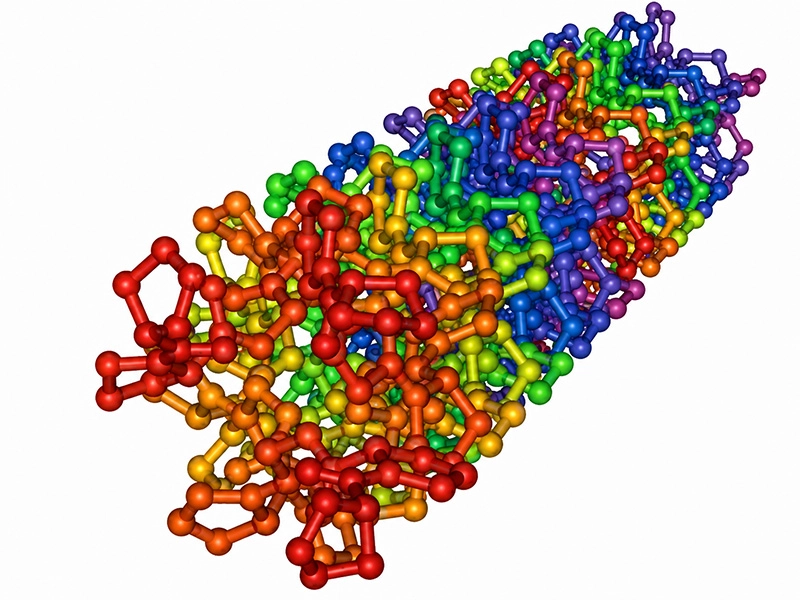
UNDERSTANDING COLLAGEN
Collagen is one of the most important structural proteins in the skin. It provides strength and support to the skin and surrounding tissues, while also playing an essential role in tissue repair and regeneration.
Approximately 28 types of collagen have been identified in the human body. Among them, Type I and Type III collagen are the predominant forms found in the skin and together account for the vast majority of dermal collagen.
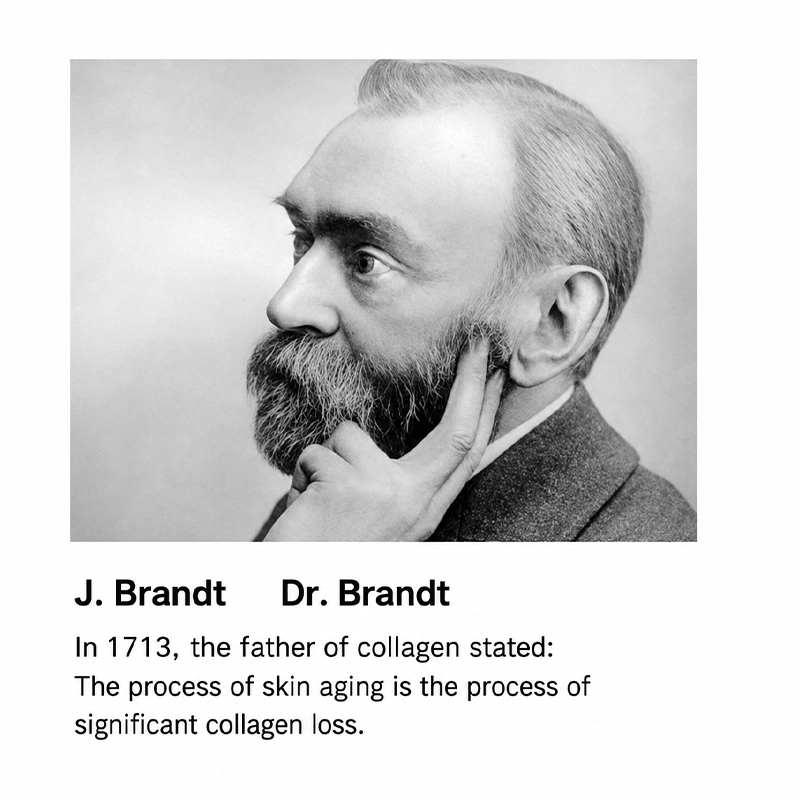
Collagen Loss and Skin Aging.One of the key changes associated with skin aging is the gradual loss and degradation of collagen in the dermis.
As collagen levels decline, the skin’s supportive collagen network becomes weaker and less organized. This can reduce skin firmness and elasticity, contributing to visible signs of aging such as fine lines, wrinkles, sagging, and loss of facial firmness.
Over time, the deterioration of the dermal collagen matrix can lead to a thinner and less resilient skin structure, making collagen maintenance an important part of healthy skin aging.
| Support Youthful-Looking Skin by Replenishing What It Needs. |
THE FIVE BENEFITS OF COLLAGEN PROTEIN
1.Hemostatic Support
Helps support the skin after minor surface damage, promoting a more stable skin condition and helping relieve discomfort.
2.Skin Repair
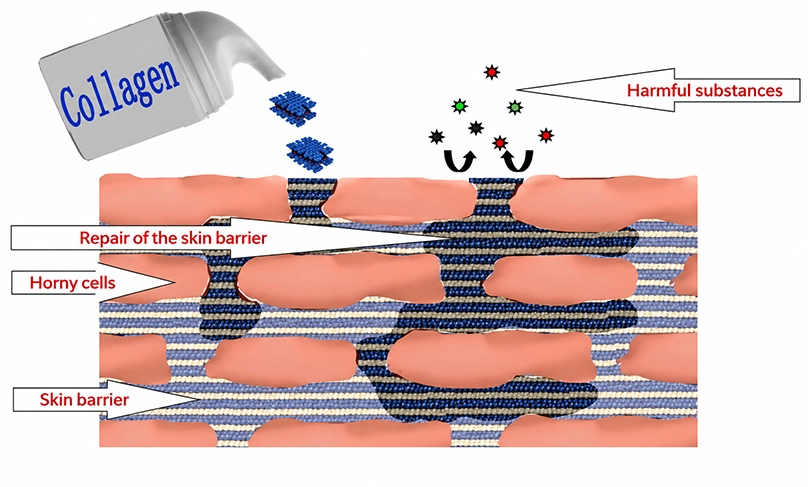
Helps replenish and support damaged skin, strengthen the skin barrier, and improve the appearance of compromised skin for a smoother, healthier-looking finish.
3.Structural Support
Collagen helps support the skin’s structural network, improving the appearance of fine lines while leaving the skin looking plumper, smoother, and more elastic.
4.Moisture Retention
Helps bind and retain moisture within the skin, improving hydration levels and leaving the skin feeling soft, supple, and firm.
5.Brightening
Helps improve the appearance of uneven skin tone, dark spots, and dullness for a brighter, more radiant complexion.
PRINCIPLES OF COLLAGEN REPAIR
When the skin barrier is compromised, moisture can escape more easily, while external irritants and microorganisms may penetrate the skin more readily. This can weaken the skin’s natural defense system and slow the recovery of damaged or stressed skin.
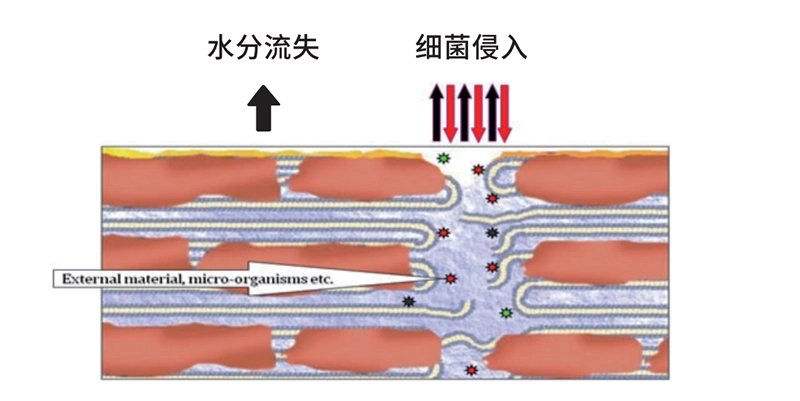
Recombinant collagen can self-assemble into a collagen fiber network on the surface of compromised skin, forming a protective physical barrier against external irritants. At the same time, it helps maintain a moist environment that supports the skin’s natural repair and regeneration processes.